
The hospital technology park in Spain faces a complex situation: one third of the equipment is obsolete despite the various investment plans, which have aimed to renew the oldest devices since 2023. After the Inveat plan, which had a budget of 796 million euros drawn from the European Next Generation EU funds to renew high-tech equipment, the room for improvement in some technology families remains very high.
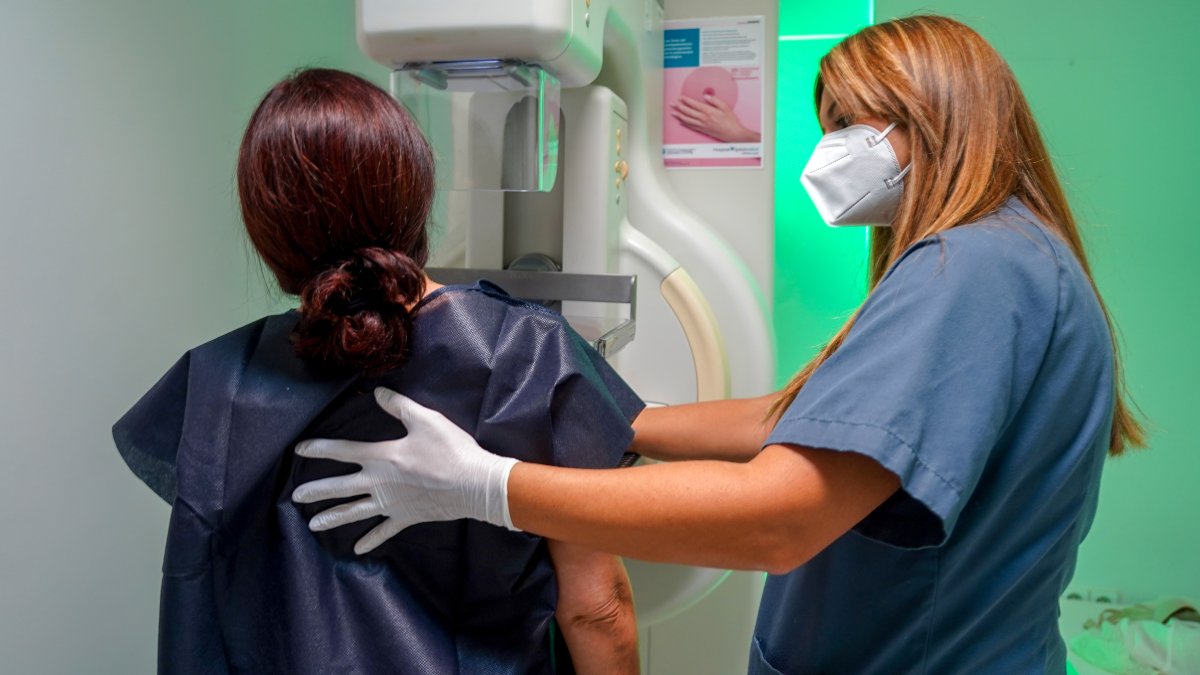
According to data provided to THE OBJECTIVE by Fenin, the health-technology association, 66% of radiology equipment exceeds the obsolescence threshold (ten years); in the case of mammography, 53% have a life span beyond the recommended; the obsolescence rate for endoscopy equipment is 46%; and for ultrasound machines and digitally controlled contrast-injection systems, the percentage reaches 30%.
For Pablo Crespo, secretary general of Fenin, “Spain needs a culture of renewal, not only renewal plans, but a culture and sustained investment.” “All the investments of the Inveat plan are already six or seven years old, and they will not become obsolete anytime soon. Are we thinking about what to do? The truth is no,” he explains. International bodies such as the European Coordination Committee of the Radiological, Electromedical and Health IT Industry (COCIR) recommend that hospital centers adhere to the so-called “golden rule: rule 60-30-10”: 60% of equipment available with less than five years, 30% between five and ten years, and no more than 10% older than ten years (which would be considered obsolete).
After the end of the Inveat plan (2023), which only contemplated the renewal/implementation of equipment considered high technology, the percentage of new equipment in public and private hospitals rose to 42% of the total, while 25% were between five and ten years old. However, 33% still exceeded the recommended 10-year threshold; nevertheless, this figure represents a 25% reduction compared with 2021.
Planning and Sustained Investment
The association is asking the new government formed after 29-N for a “planning” and a “sustained investment” over time that enables investments to be carried out when necessary. “Renewing all technology at once is very good news, but it creates a problem ten years down the line: all that technology suddenly becomes obsolete. It is much more interesting to make planned investments, gradually renew and keep an up-to-date technology park so you never end up with a problem again in a decade.”
Currently under way is the Amat-II plan, a continuation of the Amat-I plan. The latter included six framework agreements to acquire radiology suites, surgical C-arms, ultrasound machines, mammography units, portable radiology equipment and remotely controlled digital radiology. Amat-II, started in 2025 and developed in 2026, expands renewal to neonatology, computed tomography, radiology and interventional cardiology, endoscopy and other technologies.
“Our country is at a good technological level, with a situation similar to France, Germany or Italy. But it still has a significant margin for improvement. Here, innovation takes longer than in those countries because of the economicist policies of our country,” explains Crespo, who calls for a sustained annual increase of at least 7% in public investment in health technology to guarantee the system’s sustainability, update equipment and consolidate the domestic market.
According to the association, investing in health technology is highly efficient; for every euro spent, the sector generates 1.27 euros for the economy. Fenin argues that in public health contracts the objective should not be to seek only the lowest price, but to reward quality in order to consolidate the national market and prevent Spanish manufacturers from having to export because they are expensive for the local system. The sector employs around 130,000 people (with labor costs that exceed the average) and allocates near 7% of its turnover to R&D+i.
