
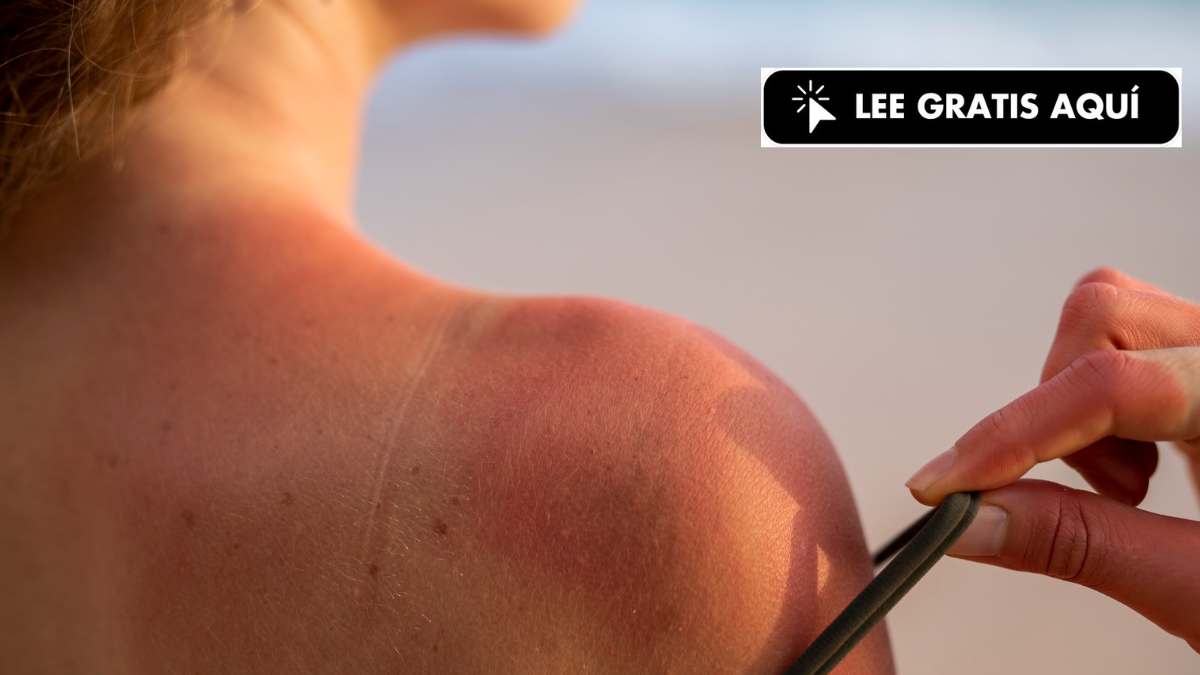
There is something we tend to do after getting sunburned: think only about what to put on the skin. Aloe vera, moisturizing cream, a cool shower… but we rarely think about what happens on the inside.
And here, nutrition also has something to contribute.
When the skin has suffered a burn, the body needs resources to maintain and repair the tissues. Proteins, energy, healthy fats, vitamins, and minerals are part of that process. That is why preparing a complete dinner can be a small help while the body does its work.
That said, there is an important caveat: there is no food capable of “erasing” a sunburn overnight. Nutrition accompanies recovery, but it cannot replace the recommended measures to treat it. Dermatologists advise stepping away from the sun, cooling the skin, staying hydrated, and paying particular attention if blisters or intense symptoms appear.
The dinner I would choose if my skin had just spent too long in the sun
If I had to assemble a plate aimed at supplying my body with good nutrients after a day at the beach or pool, I would go for a very simple combination: oily fish + potatoes or sweet potato + vegetables + high-quality oil.
Why?
Proteins are important for the construction and maintenance of tissues. Fish, eggs, legumes, and meat can provide a good amount of this nutrient. And when the body is repairing tissues, you shouldn’t forget the energy from carbohydrates.
That’s where simple foods such as potatoes, sweet potatoes, or brown rice come into play.
Then there are the fats. Sardines, mackerel, seeds, and vegetable oils such as olive or flaxseed oil allow you to incorporate unsaturated fats into a balanced diet.
And there are small players that deserve attention: zinc, selenium, and vitamins such as C and A participate in different functions related to tissue maintenance and the normal functioning of the body.
The evidence on nutrition and wound healing points especially to the importance of avoiding deficits of energy, protein, and certain micronutrients; that does not mean that taking more vitamins than necessary will automatically speed up healing.
My favorite combination: sardines, potatoes, and watercress
Here is where a healthy dinner stops looking like a list of nutrients and begins to become something you actually want to eat.
Boiled potatoes, sardines, watercress, red onion, parsley, pomegranate seeds, and a dressing of olive oil, lemon, and a touch of flaxseed oil.
Las sardinas aportan proteínas y grasas saludables; la patata, energía en forma de carbohidratos; los vegetales y la fruta añaden vitaminas, minerales y compuestos vegetales.
Además, es una cena que se prepara sin demasiadas complicaciones.
Cuéceles las patatas con piel, córtalas cuando estén templadas y colócalas sobre una cama de berros. Añade las sardinas, la cebolla roja, el perejil y unas semillas de granada. Termina con aceite de oliva, un poco de aceite de lino, vinagre de manzana y limón.
Sencilla, saciante y mucho más interesante que intentar encontrar un supuesto «superalimento» milagroso.
And if you don’t like sardines, there’s another dinner that works wonderfully
La segunda opción tiene un aspecto mucho más reconfortante: shakshuka de boniato y huevo.
Corta el boniato en dados y cocínalo al vapor durante unos minutos. Mientras tanto, sofríe cebolla, ajo y pimiento rojo con aceite de oliva. Incorpora tomate triturado, comino y zaatar y deja que la salsa reduzca.
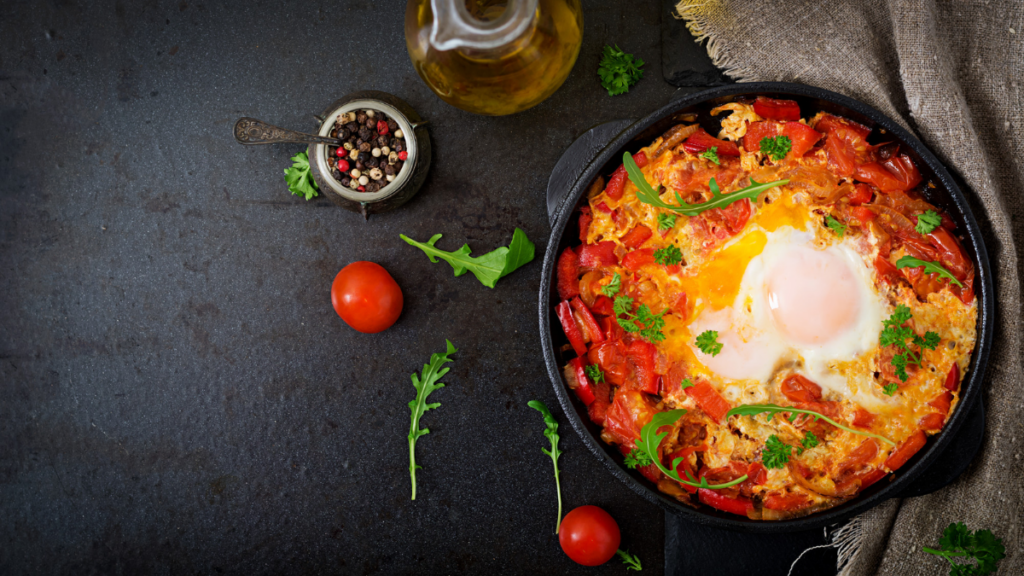
Después añade el boniato, haz unos pequeños huecos y coloca los huevos. Tapa la sartén y deja que se cocinen.
Un poco de feta y perejil por encima y listo.
Aquí vuelves a tener la misma fórmula: proteína + carbohidratos + grasas + vegetales, pero en un plato mucho más apetecible para una noche de verano.
Y hay un último ingrediente que probablemente sea todavía más importante de lo que parece: el agua.
Una quemadura solar puede favorecer la deshidratación porque el daño solar desplaza líquidos hacia la superficie de la piel. Por eso, los dermatólogos recomiendan beber más agua mientras te recuperas.
Si me hubiera pasado el día al sol y terminara con la piel roja y dolorida, no confiaría únicamente en la cena.
Me pondría a salvo del sol, tomaría una ducha fresca, hidrataría la piel y bebería agua. Si aparecieran ampollas, no las rompería: las ampollas forman parte de la respuesta de protección de la piel y romperlas puede aumentar el riesgo de infección.
La cena sería simplemente el último paso: darle al cuerpo alimentos suficientes y variados mientras hace su trabajo.
Porque quizá la mejor estrategia después de un día de sol no sea buscar el alimento secreto que acelere milagrosamente la regeneración.
Es mucho más sencillo: comer bien, hidratarse, cuidar la piel y dejar que el organismo se recupere.
