
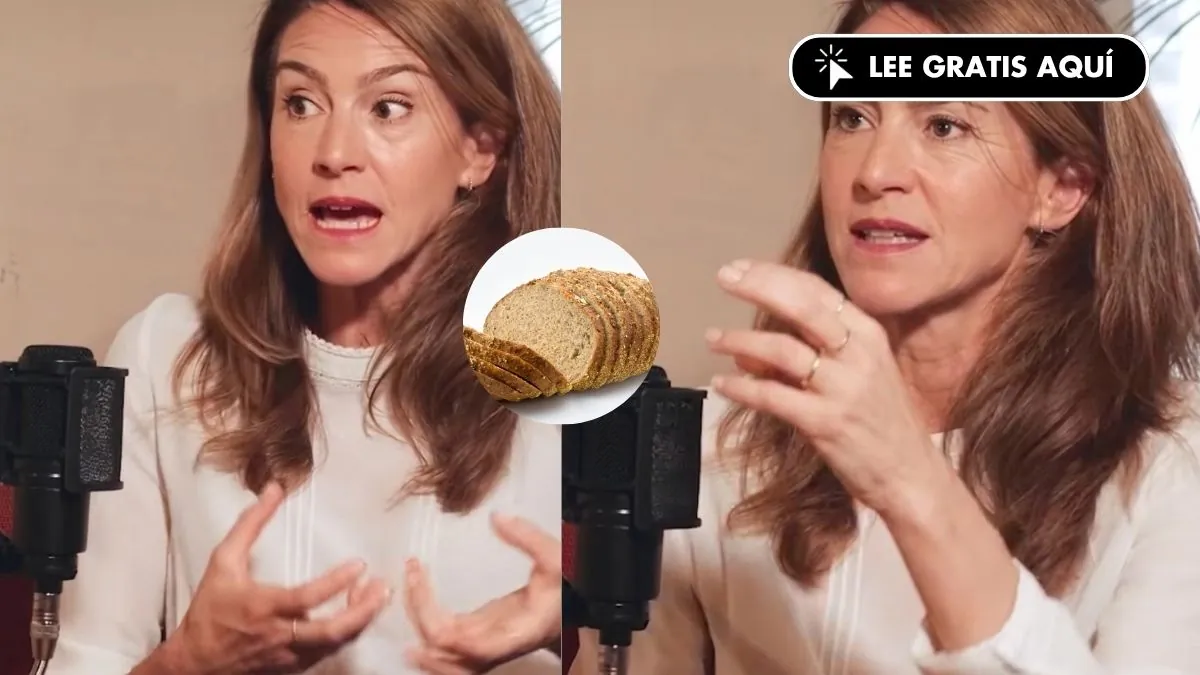
Bread is the great companion of most meals consumed throughout the day, to the point that many people feel unable to eat without it. Because of that, there have been attempts to seek ‘healthier’ alternatives to white bread, with the aim of substituting it with something that is much better for the body. One of the most well-known is wheat bread, but is it really as healthy as it has always been said? Well, according to Dr. Isabel Belaustegui, an expert in integrative medicine, the answer is no, and she clarifies that it could actually be doing you more harm than good. Therefore, she offers a clear conclusion on this topic: not all breads are equal, so it is important to choose the right one.
The problem with modern wheat
According to Dr. Belaustegui, the impact of bread on our body depends on what type of bread it is and, of course, who eats it, how much, and when. However, she emphasizes wheat bread, which she asserts that despite its fame, can be a silent enemy for digestive health.
The expert warns that modern wheat is particularly harmful due to its extremely high gluten content. Far from serving as a good substitute for white bread to accompany meals, the doctor states with conviction that gluten “is a toxin for most people and is also very addictive”. This is what ends up producing that feeling of “not being able to stop eating it” in most people.
The best bread alternatives
If you are one of those people who needs to eat bread and giving it up feels impossible, Dr. Belaustegui proposes a very simple solution that consists of changing the type of grain the bread is made from. The key is to choose much more natural options such as breads made from spelt, Kamut, or buckwheat. The expert asserts that “these are breads that don’t create as much of an addiction and are healthier,” making them the perfect option to continue enjoying bread in a healthy way and truly taking care of your health.
Additionally, the doctor explains that there is a psychological reason why we find it so hard to quit bread or resist eating it, especially when we pass by a bakery and the smell overwhelms us. According to Belaustegui, it isn’t real hunger, but a trap set by our mind because bread “connects with an emotional or nostalgic part of the past”. Its flavor instantly calms our brain and its aroma often makes us travel back to childhood or recall pleasant moments we have lived. That is why the expert’s final tip for eating bread without harming you is moderation, choosing healthier options like spelt or buckwheat bread, and figuring out whether you are eating out of hunger or simply due to emotion or anxiety.
