
First there were proteins. Now it’s fiber’s turn.
For months we’ve counted grams of protein, searched for protein-packed breakfasts, and made Greek yogurt the star of our kitchens. But there is another nutrient, far less hyped, that deserves our attention: fiber.
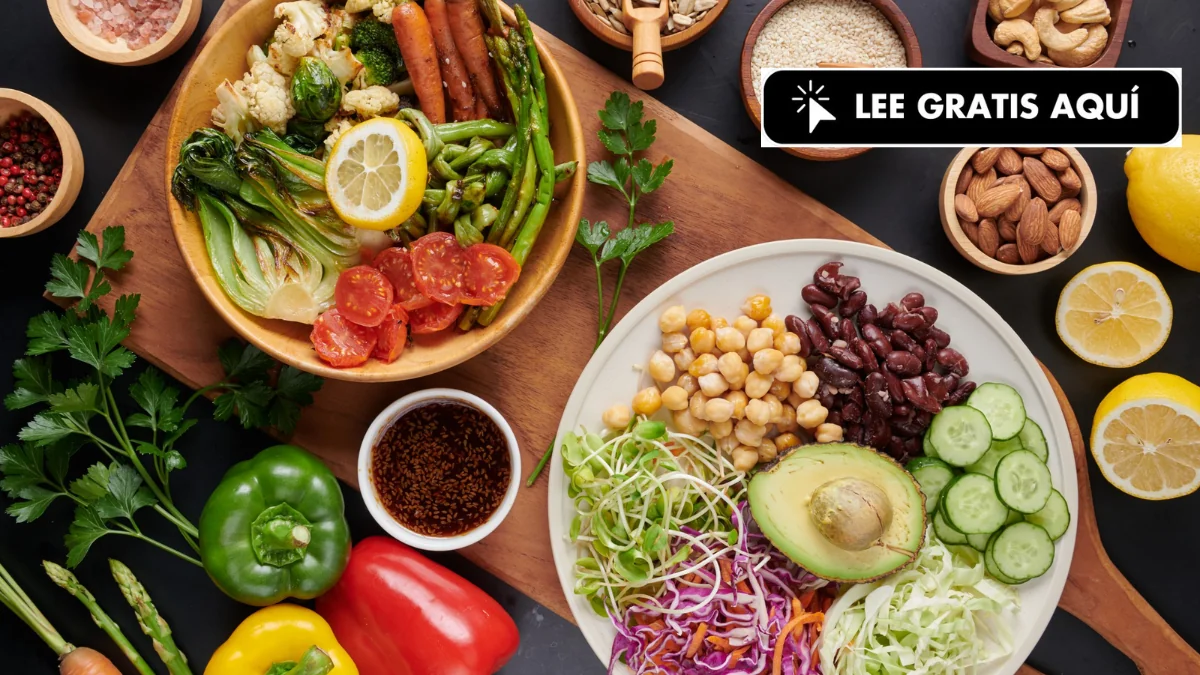
And the funny thing is that you’re probably already facing it. Legumes, berries, avocado, oats, seeds, nuts, or whole grains can help you increase your intake without following a weird diet or turning every plate into a pile of greens.
The World Health Organization itself recommends that people over 10 years old consume at least 25 grams of natural dietary fiber per day.
Fiber isn’t just “for going to the bathroom”: here’s what’s interesting
I’ll admit that for a long time I also associated the word fiber almost exclusively with digestion. But its role is broader than that.
Fiber is part of plant-based foods and can contribute to a healthy diet. Moreover, certain types of fiber reach the colon, where they are utilized by gut bacteria and can give rise to compounds such as short-chain fatty acids.
That’s why conversations about fiber are increasingly tied to the gut microbiota.
And here comes one of my favorite shifts: stop thinking of fiber as something you have to “add” to your diet and start seeing it as a characteristic of the foods you already eat.
Do you have yogurt for breakfast? Add berries and chia.
Do you eat toast? Try a whole-grain or rye version.
Do you prepare rice? Alternate with quinoa, barley, or buckwheat.
Do you enjoy spoonable dishes? Lentils, chickpeas, and beans are your allies.
No need to complicate things.
The seven foods I would choose to start eating more fiber
If I had to put together a small list to stock the pantry, these would be my essentials:
- 1. Raspberries. They’re a simple option for breakfasts, snacks or desserts and provide fiber.
- 2. Black beans. Legumes are one of the most practical ways to increase dietary fiber and, in addition, they supply plant-based protein.
- 3. Rye or whole-grain bread. A small change like swapping part of white bread can help you incorporate more fiber.
- 4. Avocado. In addition to fiber, it provides unsaturated fats and pairs well with almost anything.
- 5. Chia seeds. A small amount can be easily incorporated into yogurt, oats, or breakfast preparations.
- 6. Oats and whole grains. Oats, barley, spelt, quinoa, or buckwheat allow for much more dietary variety.
- 7. Garlic, onion, leeks and asparagus. Some of these vegetables contain prebiotic fibers that can be utilized by certain gut bacteria.
And there is one thing that personally seems key: not chasing a single “superfood.”
The WHO emphasizes the importance of a diet based on diversity, with minimally processed foods and a strong presence of fruits, vegetables, legumes and whole grains.
The mistake you can make if you obsess over fiber
Here comes the part that doesn’t usually appear in fibre-maxxing videos.
Jumping from a low-fiber diet to trying to consume enormous amounts all at once is not a good strategy.
A sudden increase can cause gas, bloating, or digestive discomfort. The smart approach is to do it gradually, expanding the variety of high-fiber foods and staying properly hydrated.
There’s no need to obsess about counting every gram either.
I’d start with three very easy changes: one serving of legumes, one whole-grain cereal, and one whole fruit every day. Afterwards, I’d add seeds, nuts, and more vegetables as desired.
And there’s another small trick worth remembering: better whole fruit than juice when you’re trying to retain the fiber of the food.
In the end, perhaps the big nutritional trend of 2026 is far less revolutionary than it seems.
You don’t need a magical powder, an extreme diet, or a new superfood.
Maybe you simply need to start eating more of the foods we’ve always had in the kitchen.
Proteins had their moment in the sun. Now fiber deserves a place on the plate.
