
Replacing doors, windows, or glazed openings in your home should be considered when signs of wear appear or when their thermal or acoustic performance is compromised. It can also be undertaken to address aesthetic concerns or a security need. In all cases, you should follow a few key steps during the renovation work.
Step 1: Assess the condition of the joinery
This first step essentially involves taking stock of the current thermal, acoustic, or airtight performance of your installations. It focuses in particular on the effectiveness of their insulation system, since openings contribute to optimizing your energy consumption. This assessment also entails analyzing the level of security and comfort offered in order to identify exactly heat losses, stop air infiltration, or optimize your home’s energy gain. To do this, contact an expert in the field. In addition to renovation work, professionals such as bplast.fr have the skills and expertise necessary to carry out this type of operation. Having been on the market since 1989, B’Plast specializes in the design of custom doors, windows, or glazed openings of artisanal quality.
Step 2: Choose the material
A successful renovation largely depends on the choice of material for your joinery. This crucial step depends on your expectations, your budget, and/or the results of your performance assessment. To modernize your home, you can turn to PVC doors, windows, or glazed openings. This innovative material is particularly valued for:
- Its excellent value for money;
- Its range of colors and patterns;
- Its remarkable thermal and acoustic insulation properties;
- Its low maintenance.
You can also opt for aluminum joinery, which is a testament to robustness and modernity. This material is also distinguished by its ease of handling and maintenance. It adapts to almost all opening dimensions.
Step 3: Install the new joinery
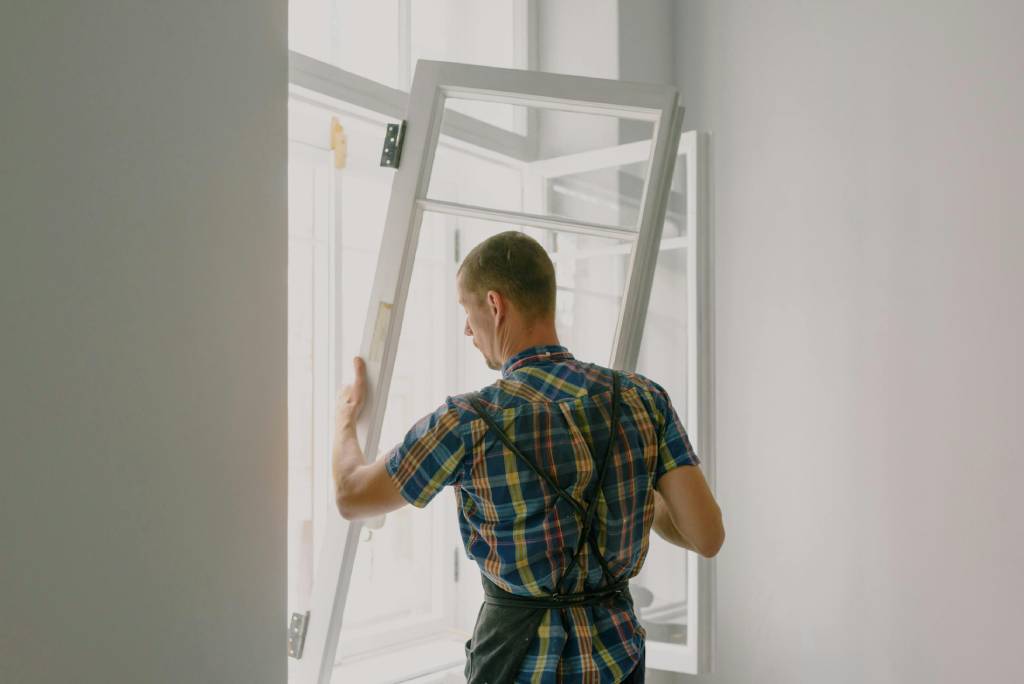
After ordering your doors and windows, the final step of your joinery renovation work is their installation. You may be asked to choose between installation on the existing frame and total removal. If you do not want to commit to major installation work, favor the first option. The window will be fixed to the existing dormant frame. Total removal, on the other hand, involves removing the frame and the sash from the old openings and replacing them with a more suitable structure.
