
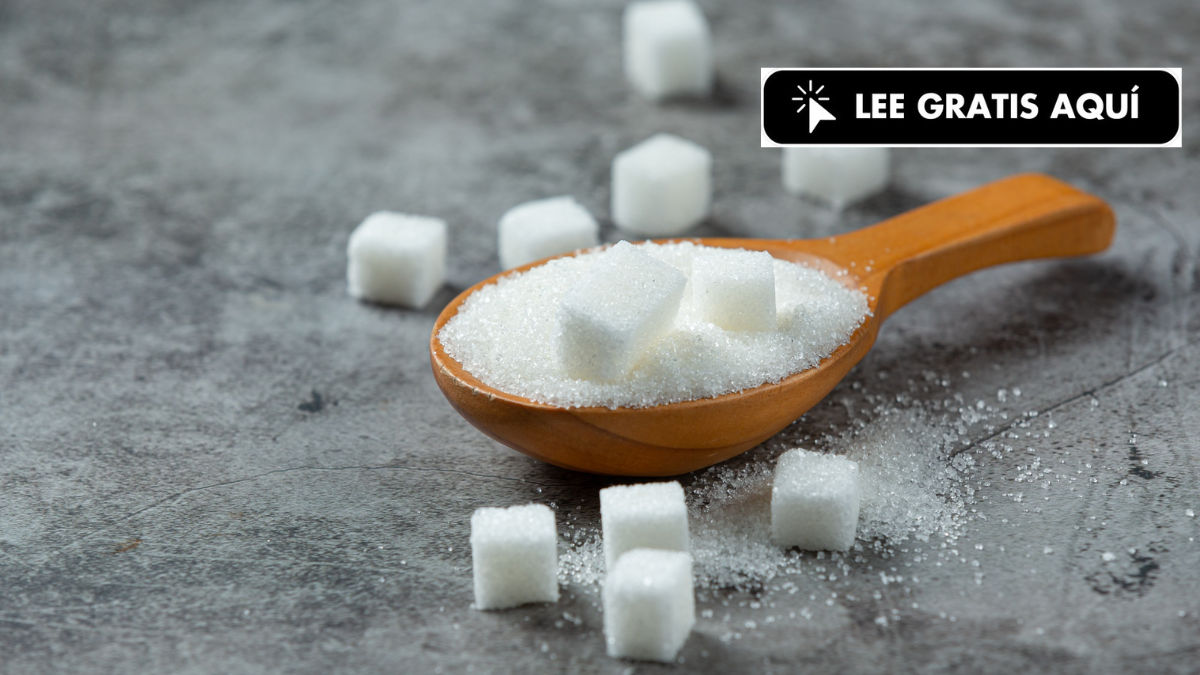
More and more people are removing white sugar from their diets, convinced that any “natural” substitute will be better for their health. But the reality is quite different. Some of the most popular sweeteners remain true sugar bombs, while others, far less known, barely alter glucose and offer benefits for the body.
If you’ve been using honey or coconut sugar for years thinking they were the best choice, you may be in for a surprise.
Have you been using the wrong sweetener for years? This ranking changes everything
The word “natural” sells. And a lot. So much that millions of people have replaced white sugar with honey, coconut sugar, or agave syrup, convinced they are taking care of their health.
However, experts have long warned that natural does not necessarily mean healthy. Some of these products contain very high amounts of sugars and hardly show differences compared with traditional sugar when consumed in excess.
Meanwhile, there are far less popular alternatives that stand out for their low glycemic index, their fiber content, or even for providing virtually no calories.
The result is a ranking that breaks with everything we believed about sugar substitutes.
Neither honey nor coconut sugar: these are the alternatives that surprise with their benefits
In the top spots appear ingredients that just a few years ago were almost unknown.
The lucuma, known as the “gold of the Incas,” stands out for its low glycemic index and its fiber richness, becoming one of the best options for making desserts.
Very close is yacón, an Andean tuber whose syrup contains fructooligosaccharides with a prebiotic effect and hardly causes glucose spikes.
The big surprise comes with monk fruit, a sweetener virtually calorie-free, with zero glycemic index, and an sweetness potency up to 300 times greater than sugar.
By contrast, everyday products like honey, coconut sugar, or maple syrup remain options that should be consumed in moderation, as they still contribute significant amounts of sugars.
The healthiest alternative is probably already in your kitchen
Paradoxically, the best way to reduce sugar may not lie in any jar or any specialty store.
Increasingly, specialists are recommending turning to whole fruit to sweeten naturally. Ripe bananas, applesauce, pear, or date paste allow for adding sweetness to many recipes, but with a key advantage: they retain fiber, which slows the absorption of sugar and helps prevent the dreaded glucose spikes.
Because the real change is not just about replacing sugar with another trendy ingredient, but about learning to reduce dependence on sweet flavors. And there lies, according to experts, the difference between a passing trend and a genuinely healthy habit.
