
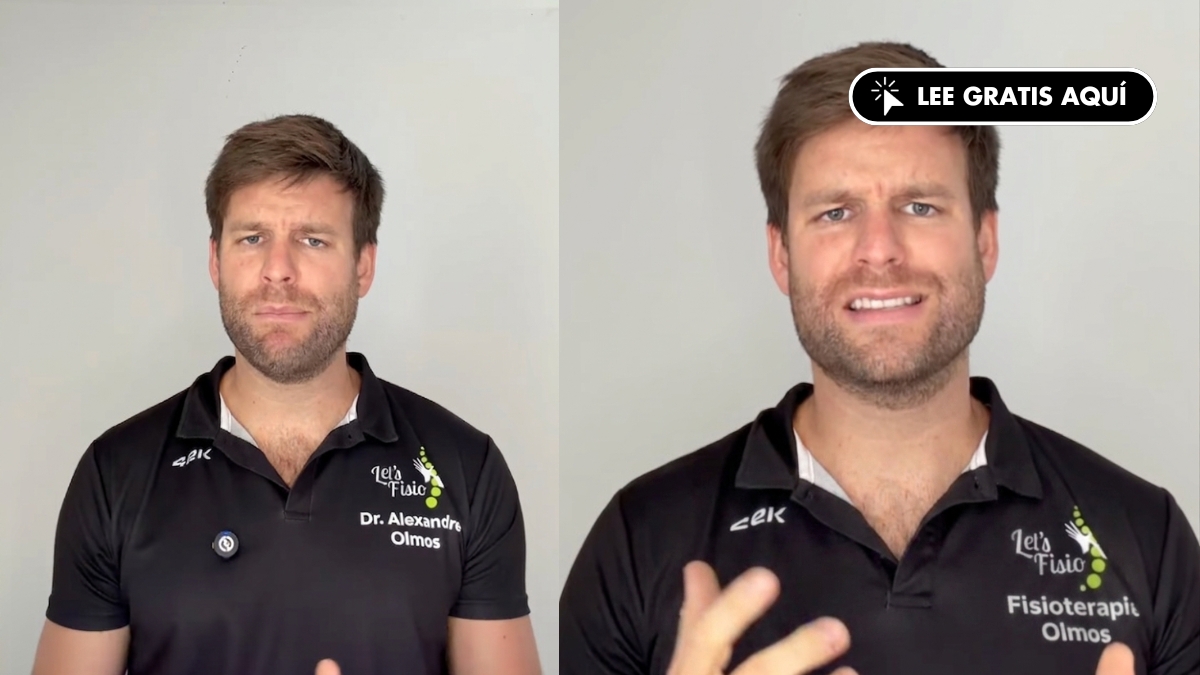
There is a widespread false belief that after a certain age exercising or trying to take care of one’s diet is pointless because bodily changes occur inevitably. However, longevity expert physician Alexandre Olmos completely debunks this idea. According to an article in La Vanguardia, Olmos argues that it’s never too late to transform health and that, even at 60 or 70 years old, it is possible to see profound improvements in just six months by adopting simple and personalized habits.
Intermittent fasting: going about 12 to 14 hours without eating
Dr. Olmos explains that intermittent fasting is an excellent tool for aging with good health, provided it is done correctly. For older individuals who eat a balanced diet and do not have serious health issues such as advanced diabetes, letting 12 to 14 hours pass without food is completely safe and does not cause malnutrition or muscle loss. The best way to put it into practice is at night, by having a light dinner before it gets dark. This approach makes everything easier, as the sleeping hours are used to trigger a kind of “repair mode” where cells renew themselves. In addition, the expert adds that fasting helps prevent sharp spikes in blood sugar, enabling the body to process energy more efficiently, and it helps prevent diabetes and those sudden energy dips that cause fatigue and late-night cravings.
Changing your habits is very important
Dr. Alexandre Olmos, after working in hospitals treating diverse patients, realized that many of the pains or problems they faced were not due to incurable diseases but to the way they lived. That is why he decided to specialize in epigenetics, a science that explains how our lifestyle can be capable of modifying certain genes in our body, allowing us to live better. This means that although our DNA does not change, factors such as diet, sleep quality, physical activity, or stress level determine which parts of that DNA are activated and which stay inactive.
According to the explanation, through very simple tests in hair, saliva, or blood samples, one can measure the body’s inflammation or the state of the intestines to detect weak points in time. Thus, by correcting these habits and reducing inflammation, health improvements can be achieved in just six months.
The keys to changing your habits
To achieve real and lasting health results, Dr. Olmos insists that we should not seek temporary solutions, but rather change our daily routine in a simple and stress-free way.
First, he recommends adapting the well-known Mediterranean diet by eliminating sweets and gluten-containing cereals, while placing more emphasis on protein-rich foods such as meat, fish, and eggs. He also debunks the myth that a glass of wine a day is good for the heart, noting that to obtain its anti-aging benefits one would have to drink ten liters daily, which is not feasible given how harmful alcohol is.
On the other hand, he notes that supplements are a great temporary support to cover vitamin gaps when foods lose nutrients or when we are unable to obtain them naturally. But, you must use them wisely and not overdo it. Finally, he proposes following the 80/20 rule: the important thing is to maintain healthy habits such as eating well, exercising, and resting properly 80% of the time, leaving a 20% margin to indulge without guilt and to avoid slipping back into bad habits after improving.
