
The Extremadura Health Service (SES) confirmed this Friday a new case of West Nile fever in Extremadura; a 67-year-old woman from the town of Valdetorres, who remains hospitalized at the Mérida Hospital.
This is the second reported case of West Nile fever in Extremadura in 2026, following the one confirmed in another 86-year-old woman belonging to the Don Benito-Villanueva de la Serena Health Area, who was admitted and has since been discharged to her home. In 2025, a total of 39 cases of West Nile fever were reported in the region and 5 deaths.
From the SES leadership, the managers of the eight health areas of Extremadura have been informed to maintain a state of vigilance for any suspected cases of clinically compatible illness, thus preserving an alert stance toward potential cases. This approach aims to increase diagnostic capacity, even though 80% of human infections are asymptomatic.
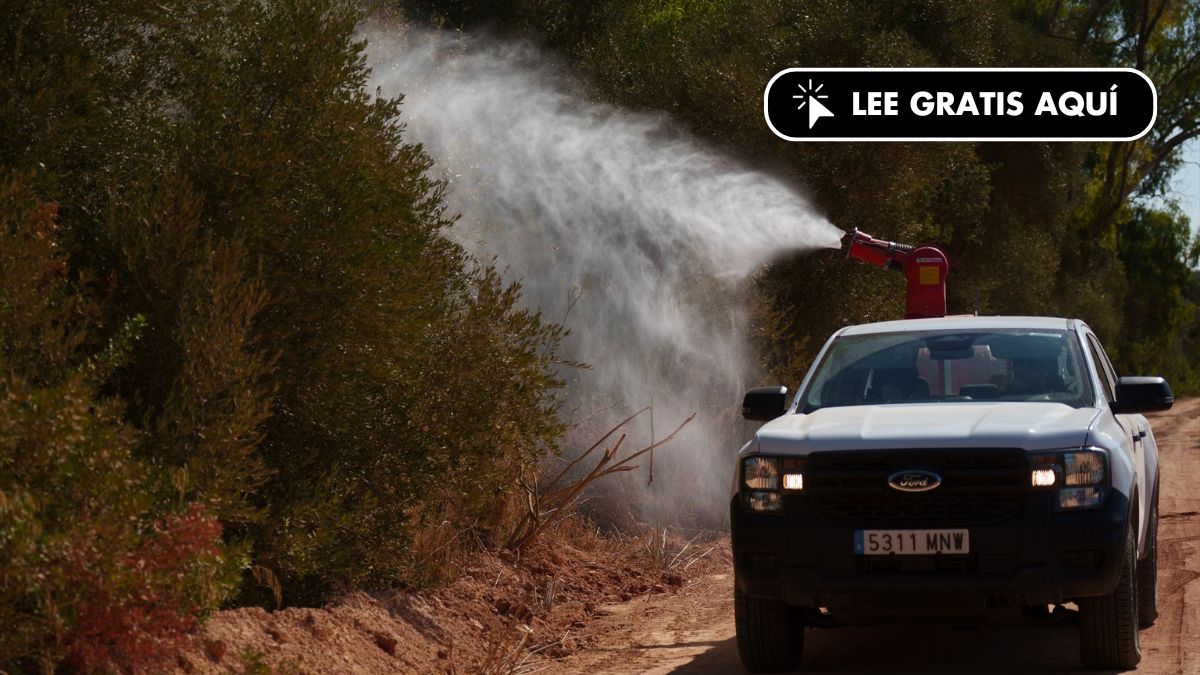
The SES has a 2026 Vector Surveillance Plan, within the framework of the Autonomous Plan for Preparedness and Response to Vector-Borne Diseases, which this year has strengthened and expanded entomological surveillance systems, essential for early detection and risk control.
The SES advises keeping pools, ponds, or basins in good condition, and trying to empty and prevent them from accumulating water, including objects such as saucers under pots, jars, buckets, toys, pet bowls, and tires, among others.
It also recommends covering outdoor containers or water receptacles, as well as keeping clean the roof gutters and courtyard drains, in addition to dressing in light-colored clothing and, if possible, covering as much of the body as possible with long sleeves, long pants, closed footwear, etc.
Furthermore, avoid the use of scented soaps, perfumes, and hair sprays, since they can attract insects, and use repellents and insecticides intended for general public use, provided they are approved as lotion, spray, or bracelets. The SES recommends installing mosquito nets on doors and windows to prevent mosquitoes from entering.
