
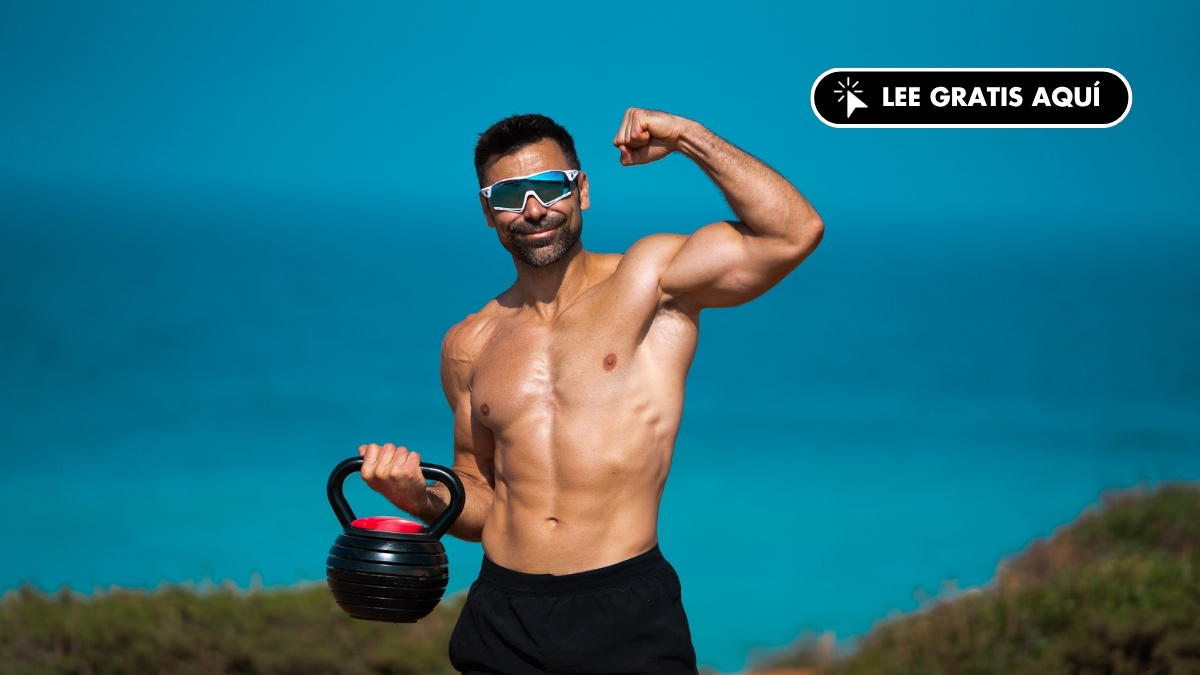
Now that more and more people are focusing on getting in shape and shedding a bit of weight, intermittent fasting has become one of the most popular tools for that goal. Yet, although it may seem like a simple practice suited for everyone, the truth is that not everyone knows how to do it properly or what it’s really for. That is why, to shed some light on the topic, personal trainer José Ruiz, founder of Malagaentrena, revealed in an interview with THE OBJECTIVE that, while it can be a useful practice for certain individuals, it is essential to understand that it is not a “magic trick.”
Fasting Alone Is Not Enough
One of the biggest issues José notices while coaching people is the belief that spending hours without eating will automatically solve the excess weight they want to lose, but the reality is quite different. According to the expert, the key isn’t solely about what you eat or don’t eat; instead, other bases of well-being must be considered to achieve health and the goals you desire. “At @malagaentrena we see this a lot: many people cling to fasting as if it were the solution for fat loss, but then they neglect the most important things: eating enough protein, training with resistance, moving more, sleeping well, and drinking water,” emphasizes José Ruiz.
As the specialist puts it, achieving your objectives isn’t enough by simply spending several hours without any kind of food; you must incorporate into your routine a set of habits that support you, since fasting alone won’t compensate for a poor diet, a lack of rest, or a sedentary lifestyle.
Risks of Fasting During the Summer
Doing intermittent fasting even in summer slightly changes the way everything functions. With high temperatures, the body sweats more to regulate its internal temperature, which leads to an accelerated loss of fluids and electrolytes. If, on top of this, you add many hours of fasting, dehydration, coffee consumption, or sun exposure, health risks rise considerably. In fact, training under these conditions also increases the likelihood of dizziness, drops in blood pressure, fatigue, and dehydration. That is why knowing how to do it correctly makes a difference. Ruiz contrasts two clear situations: it is not the same for a healthy person who performs a gentle 12-hour fast, trains early, and stays well hydrated, as it is for someone aiming to fast for 18 hours, train at noon, drink coffee, and hardly drink any water.
Five Tips If You’re Fasting in the Heat
For everyone who feels comfortable fasting and wants to keep doing it even in the months when the heat is extreme, the Malagaentrena coach advises always using sense of common sense with a few simple precautions.
The main rule is to drink plenty of water from very early on to replace what you lose through sweating and to avoid performing strenuous workouts during the warmest hours. It is also crucial to listen to your body and stop fasting if you experience discomfort such as dizziness, headaches, weakness, or drops in blood pressure, as well as to ensure you have a complete and healthy first meal to break the fast instead of grabbing something quick. Finally, you must take special care or avoid fasting if you suffer from low blood pressure, diabetes, are taking medications, are pregnant, have stomach problems, or have a history of an eating disorder.
In Summer, You Don’t Need to Prove Anything with Fasting
Training while fasting can raise the risk of dehydration and heat-related issues if a person does not properly manage hydration, exercise intensity, and scheduling. Therefore, the trainer’s final message when assessing whether it is worth maintaining this habit is clear: “My message would be straightforward: in summer, you don’t need to prove anything with fasting. If it sits well with you, you tolerate it, and you do it reasonably, it can be maintained. But if it leaves you without energy, causes anxiety, worsens your performance, or makes you feel dizzy, it is not the best strategy for you.”
