
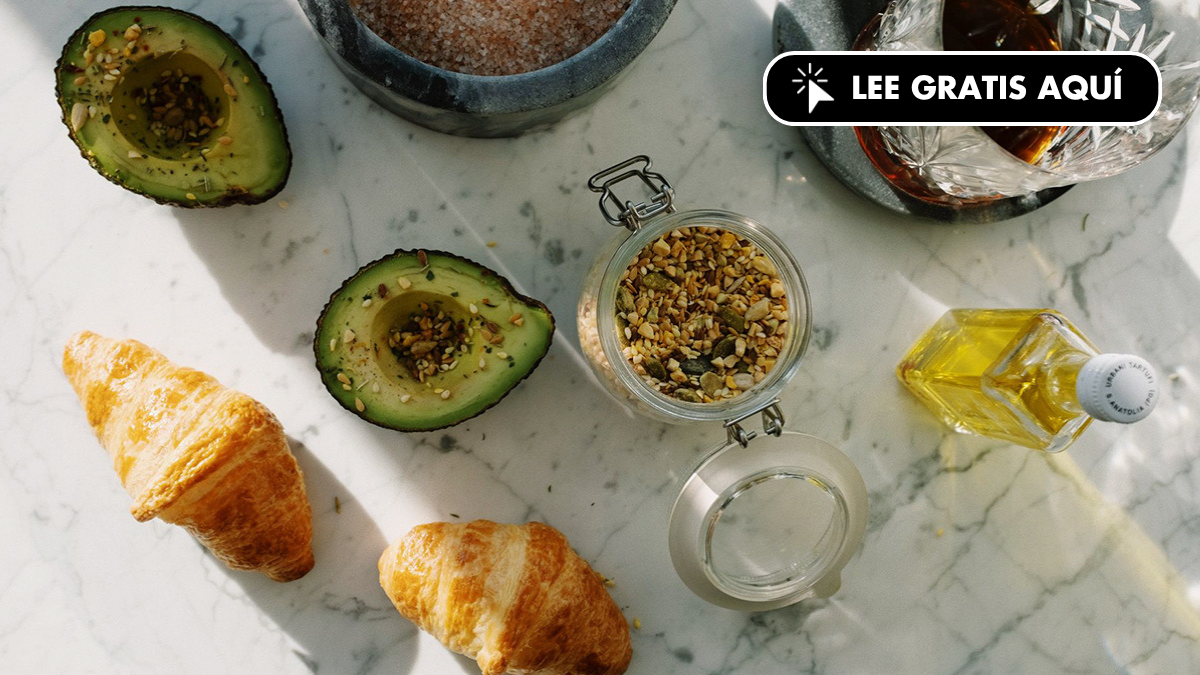
You reach your 40s and think you’re eating healthy, that you’re training well, and that that walnut salad you end your night with will be all you need to keep losing weight. Yet, day after day, after stepping on the scale, far from shedding pounds, you stay stuck. So you push the intensity of your workouts and start wondering what is failing in the equation. Yet you don’t review what you’re eating, no matter how healthy it seems… nor how much you’re eating.
In fact, this isn’t the first time we’ve talked about this reality at THE OBJECTIVE. It’s something many personal trainers also often mention. Healthy eating, if consumed without control, can also end up affecting our kilos of extra weight. Especially when we’re beyond 40, an age at which losing weight becomes a bit harder, even if we exercise.
We should also bear in mind that, in many cases, weight by itself isn’t what should concern us. The relevant measure would be body composition, i.e., the ratio of muscle to fat we have. Still, it’s essential to identify which foods in our diet, although healthy, should be consumed with some moderation. Many of them are, moreover, recommended by nutritionists, dietitians, doctors and trainers. And this is where fats come into play, above all.
Not Eating Everything: It’s About Eating Healthy
Obviously, if we want to live a healthy life, we must eat healthy. And healthy, as many times mentioned by experts, such as Julio Basulto, does not mean eating everything. In fact, that “eating everything” is one of the great traps we often set for ourselves when we believe that the core of our diet is variety. “The point isn’t to eat the same thing all the time, but to understand that having more options available does not necessarily mean you are eating better,” he warned.
Yes, variety is important, but not all foods are equally interesting. In other words, ultraprocessed foods, fried foods, and products rich in saturated or hydrogenated fats should not be on the shopping list and, if consumed, should be extremely occasional.
The same can happen with certain everyday foods that should be consumed only on certain occasions. This is the case with processed meats or, in general, foods very high in sugars. Among them are pastries, especially industrial pastries, which should not be on our shopping list and certainly not in our daily meals. Alejandro Gil, a nutritionist, explained that we should “leave only about 10% flexibility for unhealthy foods that we normally should avoid.”
View this post on Instagram
That is why the trap of balance is emphasized, when what truly matters is the balance between fresh and healthy foods: vegetables, fruits, greens, nuts, legumes, fish and, depending on the types, meats, along with pastas and rice. This is not a minor issue: the relevance of our diet lies in ensuring what we consume is healthy and not merely that there is variety.
Balance is Possible, but Quantity Matters
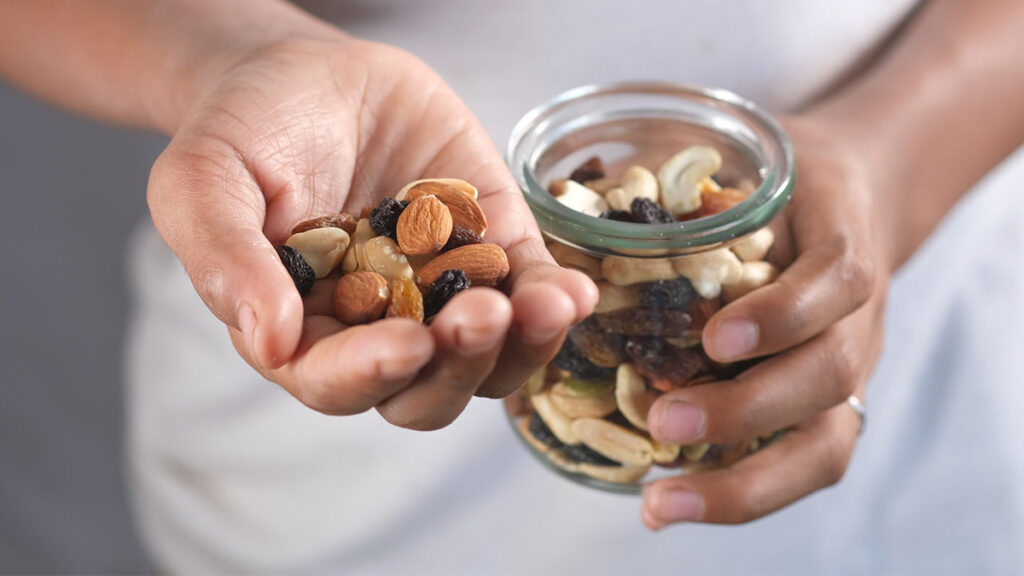
In this sense, the fundamental thing is to insist that it’s not only what we eat, but also how much of it we eat. It’s possible that you fall into that recurring everyday error of including healthy foods in the mix, but they should not be eaten in large quantities. Adrián Flores, a trainer and nutritionist, summed it up this way: “Eat, but always portion it correctly.” Judit Bonet, another trainer, clarified in a similar vein that “a handful by eye can be twice what you think.”
This is where we mainly enter the territory of unsaturated fats. They are present in fish, nuts and seeds. Also in something as everyday as olive oil, surely the best fat we can consume. But that does not mean that, because they are healthy, we should stuff ourselves with these foods. In this case, examples like those given by the nutritionist Blanca García-Orea are crucial, insisting that “a food being good does not mean it isn’t caloric and could derail your weight loss.”
View this post on Instagram
Think for a moment about that craving you add to your salad. It already has a good amount of nuts, but you toss in another handful. And in that stream of oil, instead of a few drops, it ends up flowing. There you are introducing extra calories. They slip in like a Trojan horse, at the expense of a healthy product like olive oil or those nuts. In this case, we reiterate that it isn’t just about eating healthy or exercising and having a salad for dinner; it’s about knowing what we put into the salad.
