
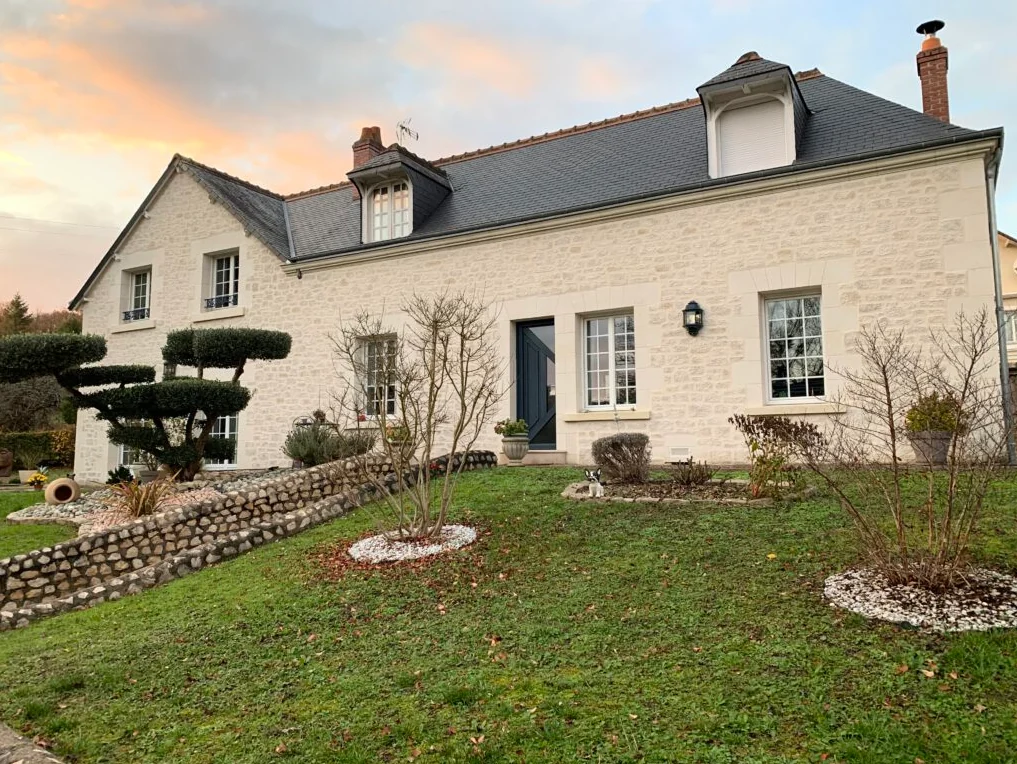
What can an imitation stone coating bring to your facade?
Over time, the exterior appearance of a house may lose its charm and no longer match the aspirations of its owners. Thanks to its aesthetic qualities, the stone-imitation coating enhances the masonry. Unlike natural stone, which is particularly heavy, or facing slabs, it provides a perfectly continuous look, free from artificial joints. Specializing in this technique, the company Décopierre Centre et Ouest has, for more than twenty years, relied on a method that blends artisanal know-how with technical innovations. Drawing on its experience, this company develops a special plaster capable of giving a stone appearance that is both natural and striking.
Is it suitable for all house styles?
Contrary to a common belief, old houses or rural settings are not the only architectural styles compatible with this finish. This type of coating can also be used on modern constructions, contributing to a more distinctive visual identity thanks to the contrast created with other materials. To reproduce the look of traditional regional stone walls, Décopierre Centre et Ouest offers to customize your plaster by selecting the type (exposed stone, dry stone, rubble, slate, ashlar, etc.) and the color of the stone, as well as the hues and the depth of the joint.
Is this decoration durable and resistant?
The role of the coating goes beyond aesthetics. It also contributes to protecting the wall. Indeed, a dwelling’s facade faces frequent assaults from weather, solar radiation, and wind. The materials used and prepared by the Décopierre Centre et Ouest teams are made from natural lime and marble powder, both renowned for their breathable properties. The coating can thus allow internal moisture to escape rather than trap it. Applied under the required conditions, it is designed to withstand the normal stresses of an exterior facade for several decades.
How is the project carried out?
The first step is to prepare the substrate to guarantee perfect adhesion of the product. The coating is applied with care to the surface to be treated before being sculpted in one motion. It is, of course, this final shaping work that takes the most time. This stage highlights the artisans’ expertise. It requires great precision, because the reliefs, joints, and the carefully worked irregularities determine the realism of the décor. The final appearance gradually takes shape as the coating dries. This meticulous process has the advantage of avoiding masonry work and of not generating debris to dispose of.
Is maintenance necessary?
Unlike some materials that require regular interventions, imitation stone plaster does not demand any special treatment. A visual check at regular intervals remains advisable, particularly after extreme weather events. Temperature variations, especially when they recur, can cause cracks, detachment, or moisture infiltration. Take time, once or twice a year, to clean the walls. A soft brush, clear water, and a bit of effort should suffice to remove most dirt. As professionals recommend, avoid using harsh products and high-pressure cleaners, as they can alter the reliefs and finishes.
