
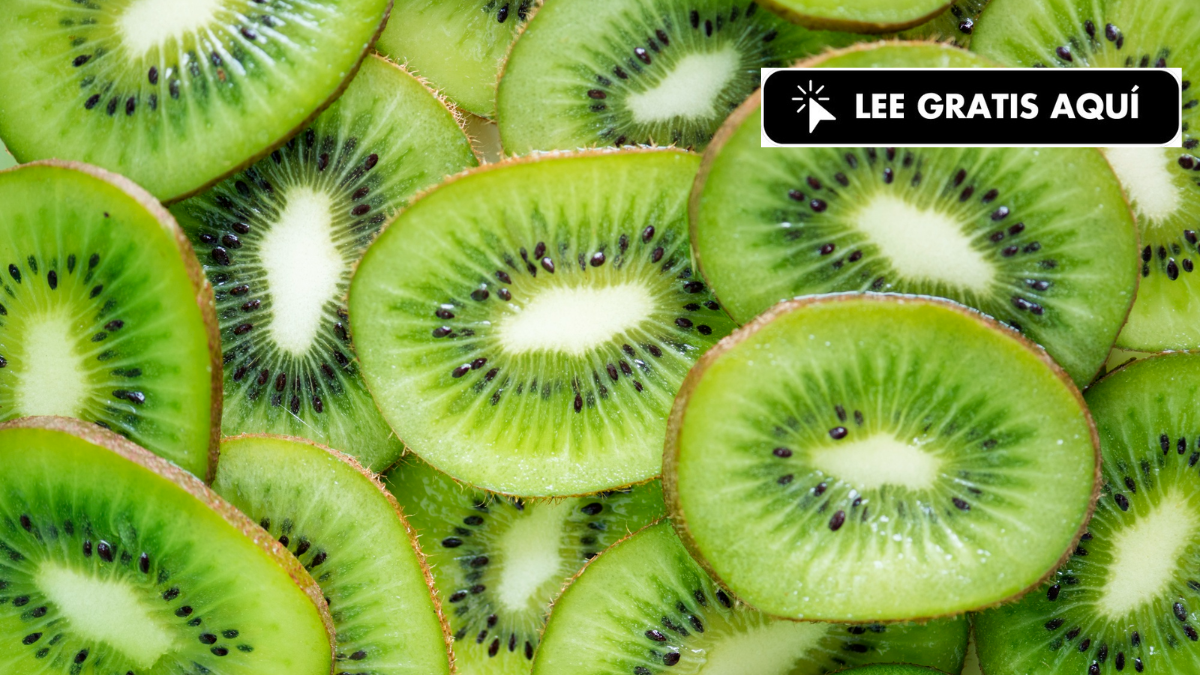
After a few days of indulgent meals, regaining a sense of lightness can become a priority. And there is a fruit that stands out for its nutritional properties and its ability to support bowel movement: the kiwi.
Both in its green and yellow varieties, this food provides fiber, vitamins, and antioxidants that contribute to the normal functioning of the body.
Incorporating it into breakfast is an easy way to reap its benefits, especially if you’re looking to improve digestion and maintain a balanced diet.
Moreover, its properties are not limited to the digestive system: it also provides nutrients related to the immune system and general well-being.
Kiwi, the ally in the fight against constipation and abdominal bloating
One of the main benefits of kiwi is its content of soluble and insoluble fiber, which supports intestinal transit and helps prevent constipation.
Soluble fiber holds onto water, while insoluble fiber promotes the movement of food through the digestive tract.
For this reason, consuming kiwi regularly can help improve bowel regularity and relieve some digestive discomforts.
Its fiber content also contributes to increasing the feeling of fullness, something especially interesting when aiming to maintain a balanced diet.
In addition, this fruit contains components with a prebiotic effect that may promote the balance of the intestinal microbiota.
Nevertheless, the digestive response varies from person to person, so its effects on bloating are not the same in every case.
Vitamin C, antioxidants, and other benefits hidden in this fruit
Beyond digestion, kiwi stands out for its vitamin C content, an essential nutrient for the normal functioning of the immune system and the formation of collagen. It also helps protect cells from oxidative damage.
Its antioxidant content is noteworthy within a varied diet, while vitamin C participates in normal energy metabolism and can help reduce tiredness and fatigue when intake of this nutrient is insufficient.
Kiwi has also been studied for its possible relationship with nighttime rest. Some research suggests that regular consumption could support certain aspects of sleep, although more studies are needed to confirm these effects and establish concrete guidelines for consumption.
Green kiwi or yellow kiwi? And what is the best time to eat it?
Although both varieties have an interesting nutrient profile, there are some differences. Green kiwi tends to provide more fiber, while yellow kiwi stands out for its higher vitamin C content. Both are high in water and can form part of a healthy diet.
If the goal is to promote intestinal transit, including kiwi at breakfast can be a good option. You can also enjoy it as a snack or accompany other meals, depending on your preferences and your digestive tolerance.
If you’re consuming protein-rich meals, kiwi contains actinidin, an enzyme that helps break down certain proteins and may facilitate their digestion.
However, there is no need to take it at a specific time to enjoy its properties.
The key is to incorporate it regularly into a varied diet, along with adequate hydration and other fiber-rich foods. In this way, kiwi can become a simple ally for caring for digestive health without resorting to miracle solutions.
