
Vitamin E is one of the major antioxidants in our diet, yet we do not always pay attention to whether we are consuming enough. The body needs it to protect cells from oxidative damage and to support the normal functioning of the immune system.
The recommended amount for adults is 15 mg per day, and achieving it can be much easier than it seems if we know which foods to choose.
The Food That Tops the Vitamin E List
When we think of vitamin-rich foods, fruits and vegetables probably come to mind. However, vegetable oils are among the most concentrated sources of vitamin E.
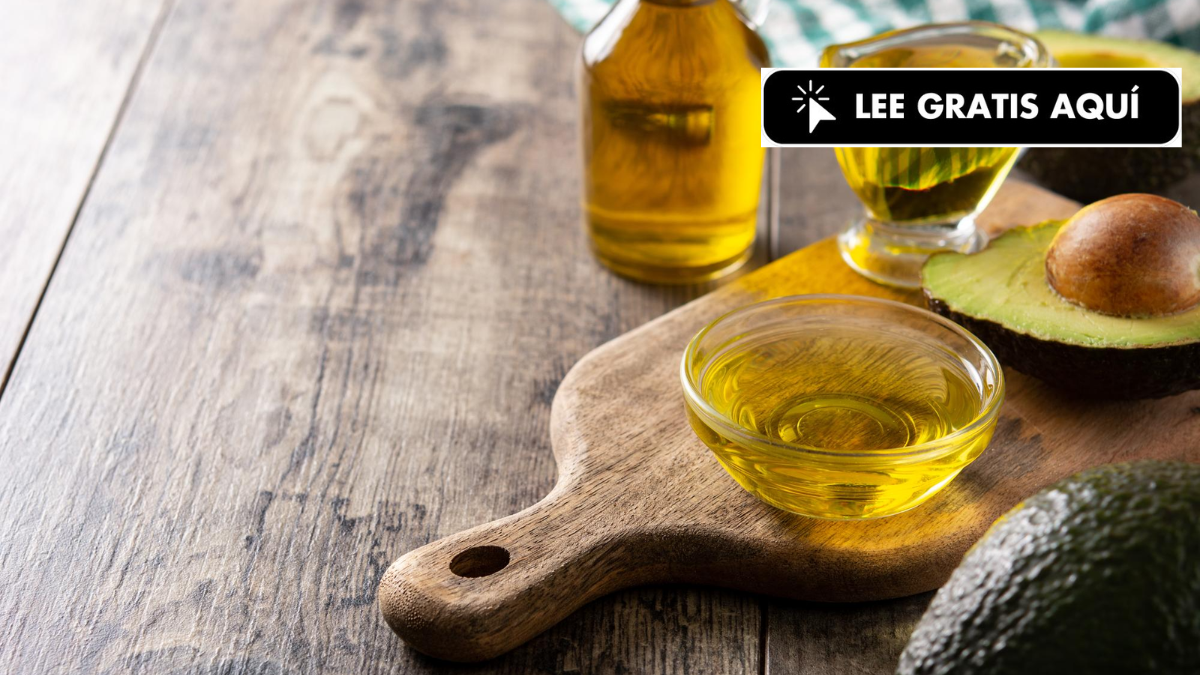
The sunflower oil stands out especially, followed by other oils such as corn oil, while extra virgin olive oil can also contribute to daily intake.
In fact, a single tablespoon of sunflower oil provides around 5.6 mg of vitamin E, according to data from the National Institutes of Health (NIH).
That said, just because a food is rich in this vitamin does not mean it should be consumed in large quantities. The key is to use oils in moderation and within a balanced diet.
Seeds and Nuts: Small Foods with a Lot of Vitamin E
If there is a group of foods that deserves special attention, it is seeds and nuts.
Sunflower seeds and almonds stand out especially for their vitamin E content: a serving of about 28 grams of sunflower seeds provides approximately 7.4 mg, while the same amount of almonds yields around 6.8 mg.
This means that a small handful can contribute a significant portion of daily needs. They are also easy to incorporate into breakfast, into yogurt, a salad, or simply eaten as a snack.
Hazelnuts and peanuts are also good alternatives. In general, nuts, seeds, and vegetable oils are some of the best dietary sources of vitamin E.
Avocado, Salmon, and Eggs: Other Easy Ways to Get It
The avocado can also be part of a vitamin E-rich diet. Although it does not reach the concentrations of oils, seeds, or nuts, it provides this vitamin together with healthy fats.
We can also find vitamin E in foods such as leafy green vegetables, including spinach.
In the case of animal-origin foods, the amount is more modest. Eggs and fatty fish such as salmon can complement a varied diet, though they are not the main sources of this vitamin.
How to Include More Vitamin E in Your Day-to-Day?
One of the simplest ways is to combine different sources throughout the day: use vegetable oil in meals, add almonds or sunflower seeds to breakfast or the salad, and opt for foods like avocado or leafy greens.
And an important detail: vitamin E is fat-soluble, so the presence of fat in a meal facilitates its absorption.
Rather than searching for a single miracle food, the key is a varied diet. And if there is a group worth recalling when we talk about vitamin E, it is vegetable oils, seeds, and nuts.
