
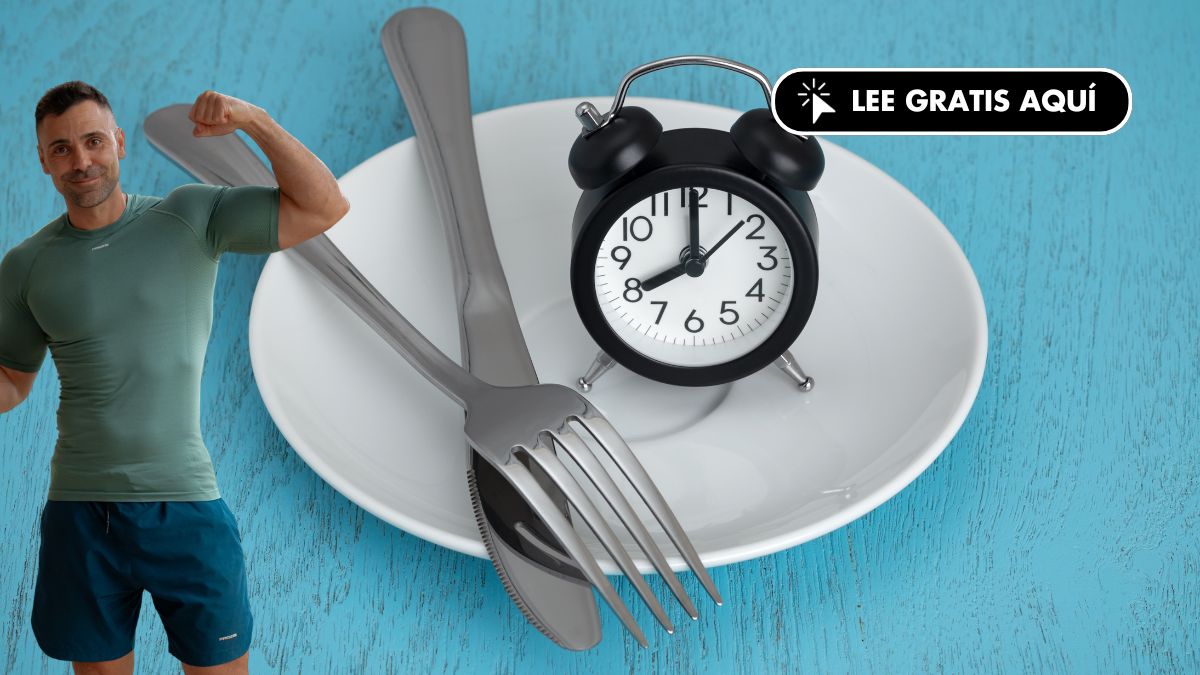
The world of fitness is full of ideas and routines that promise quick and effective results, but the truth is that they don’t always work. One of the most well-known is the classic “fasted exercise,” that is, starting to train on an empty stomach. José Ruiz, personal trainer at Malagaentrena, spoke about this topic in an interview with THE OBJECTIVE and made it clear: training in a fasted state is not a secret potion for weight loss. “It’s not magic. It can help some people because they feel lighter or because it fits better with their routine, but it doesn’t mean they will automatically lose more fat,” the expert explains. In the end, the key to losing weight does not depend on the time you eat, but on the total daily caloric balance, on good nutrition, and on staying consistent.
Many people become obsessed with sweating a lot or spending hours doing cardio to burn fat while exercising, but for José Ruiz this is the wrong approach, since the true objective should be to expend energy and gradually observe that the body is functioning better. The trainer explains that the problem almost never lies in whether you have breakfast before going to the gym, but in the simplest and most everyday mistakes, such as eating more than you think, moving little throughout the day, not training strength progressively, or sleeping poorly at night.
José asserts that “the body does not change from a single trick. It changes through a system of habits you can sustain.” He also clarifies that fasting is not a good idea for every type of exercise; for example, walking without breakfast can feel quite good, but if you plan to lift weights or undertake a long and intense workout, you’ll be far more fatigued and low on energy, so your training will not be as productive, directly affecting the results.
How should women train strength
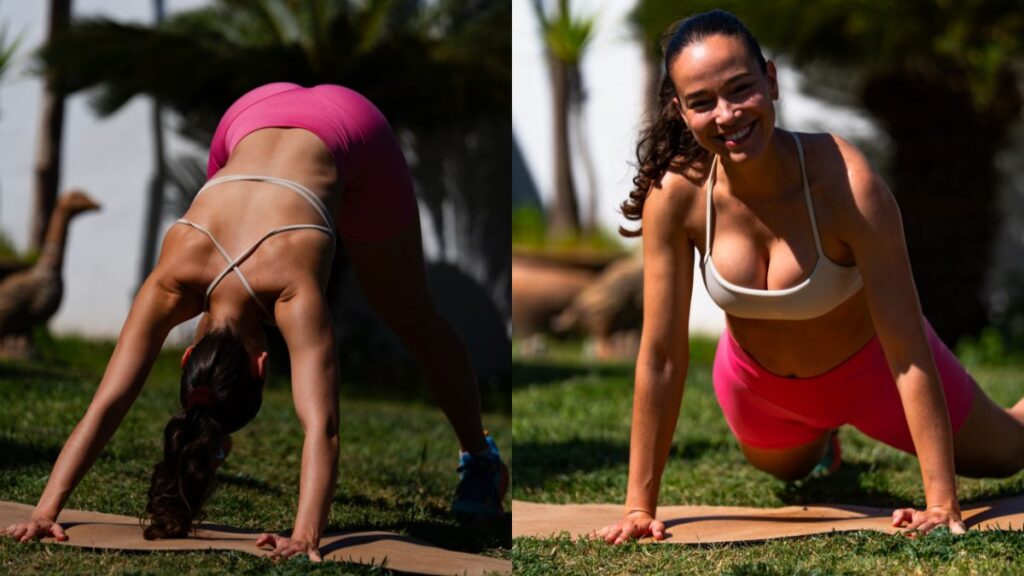
When it comes to achieving real changes, walking alone isn’t enough; strength training is among the most necessary. This often causes fear or insecurity among many women, who believe that once they start using weights their bodies will change dramatically and they will become too muscular; but the reality is that this is not how it works. “One of the most common mistakes I see is that many women fear gaining weight because they think they will become too muscular,” he says. Changing the body isn’t that simple, and with a good balance of exercise and nutrition the body can be shaped to each person’s preferences. During the interview, José Ruiz revealed which are the best exercises:
- For legs and glutes: the go-to moves are the squat (adjusted to each person’s level) and the hip hinge (such as the Romanian deadlift or hip thrusts).
- For arms, back and chest: pushing and pulling exercises, such as modified push-ups, the bench press, and dumbbell or cable rows.
Training after 50 is essential
As you reach a certain age, exercise stops being a purely aesthetic matter and becomes a necessity for health and independence. José Ruiz explains that from around 35 or 40 years old we should start to “preserve muscle” to combat sarcopenia, the progressive loss of muscle mass and strength that accompanies aging.
How can you tell if you’re losing muscle? If it becomes increasingly hard to rise from a chair without using your hands, to climb stairs, to carry shopping bags, or to maintain balance, that’s a red flag.
For people over 50, José advises training strength only two or three days a week, since there is no need to exercise every day and rest is very important. The ideal routine should work the whole body, including the legs, glutes, back, chest, arms, and abdomen, but always leaving at least 48 hours of rest before reworking the same muscle groups.
At this point, the expert emphasizes that “less is more”, so it’s essential to tailor exercises to each person’s physical state, especially if they suffer from back pain or osteoarthritis. The trainer is deeply aware of the importance of training and recommends it without a doubt: “from 50 onwards I wouldn’t see it as an aesthetic option, but as a health necessity. Strength training is a kind of functional life insurance.”
