
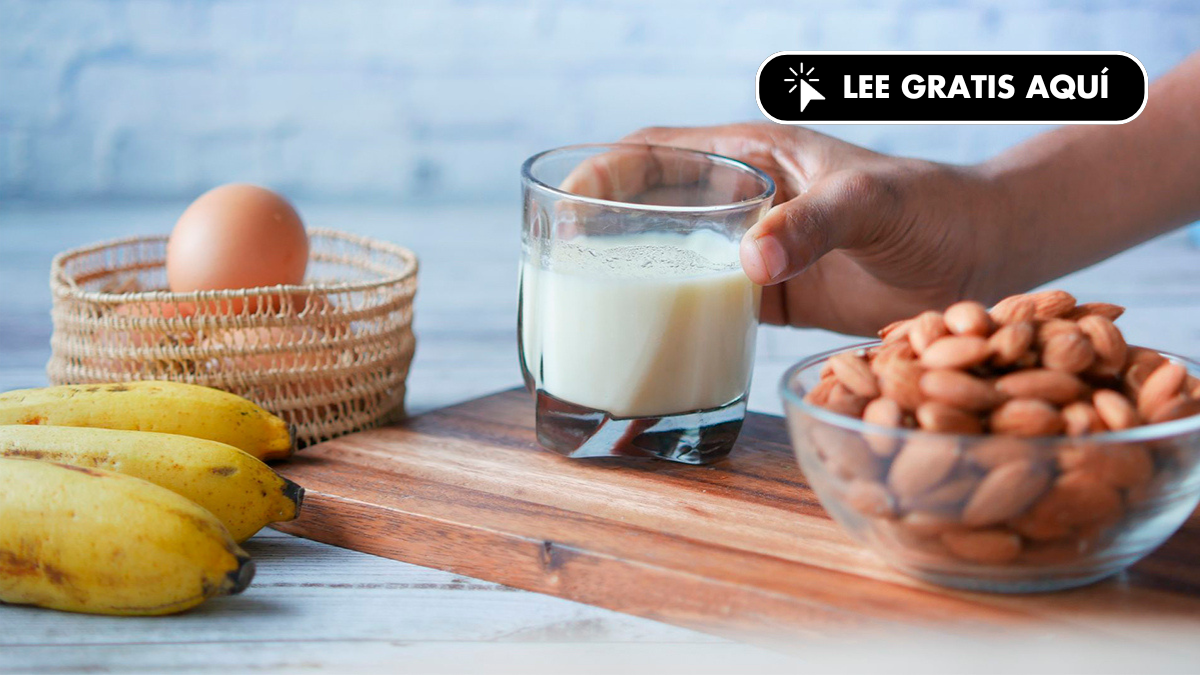
Plant-based drinks have burst into our daily lives in just a few years, gaining enormous momentum. They offer alternatives for some people to traditional dairy milk, especially cow’s milk, and these beverages derived from nuts, legumes, or cereals continue to grow in visibility. Yet other consumers remain devoted to cow’s milk, or, in certain cases, opt for other formats, such as lactose-free milk, which is also on the rise.
That does not negate the obvious reality that not all plant-based drinks are created equal. In fact, THE OBJECTIVE has discussed their differences and what you can reasonably expect from them on several occasions. It makes sense, of course. If oats are not the same as almonds, or soy as rice, why would a plant-based drink made from those ingredients be indistinguishable?
The nutritionist Angela Quintas, who is very active on social media from a divulgation profile where she signs as @angela_quintas and author of five books on nutrition, tried to shed some light on this debate. Specifically on the superiority —or not— that may exist from a nutritional perspective in favor of these plant-based drinks. Or, alternatively, whether there is no advantage over traditional milks.
Plant-based drinks: when and why?
Quintas explained that the “plant-based” label is not a synonym for nutritional superiority. She also emphasized another reality we must keep highlighting: not all options are equal. And this goes beyond whether each plant-based drink might be made from a particular base ingredient, but also the concentration of the main ingredient and the presence of other components.
View this post on Instagram
James Whitaker
I’m James Whitaker, a UK-based journalist focused on emerging trends and everyday stories gaining attention across the country. I cover the topics people start talking about before they fully break into the mainstream. My work aims to stay clear, factual, and closely connected to how news is actually consumed today.