
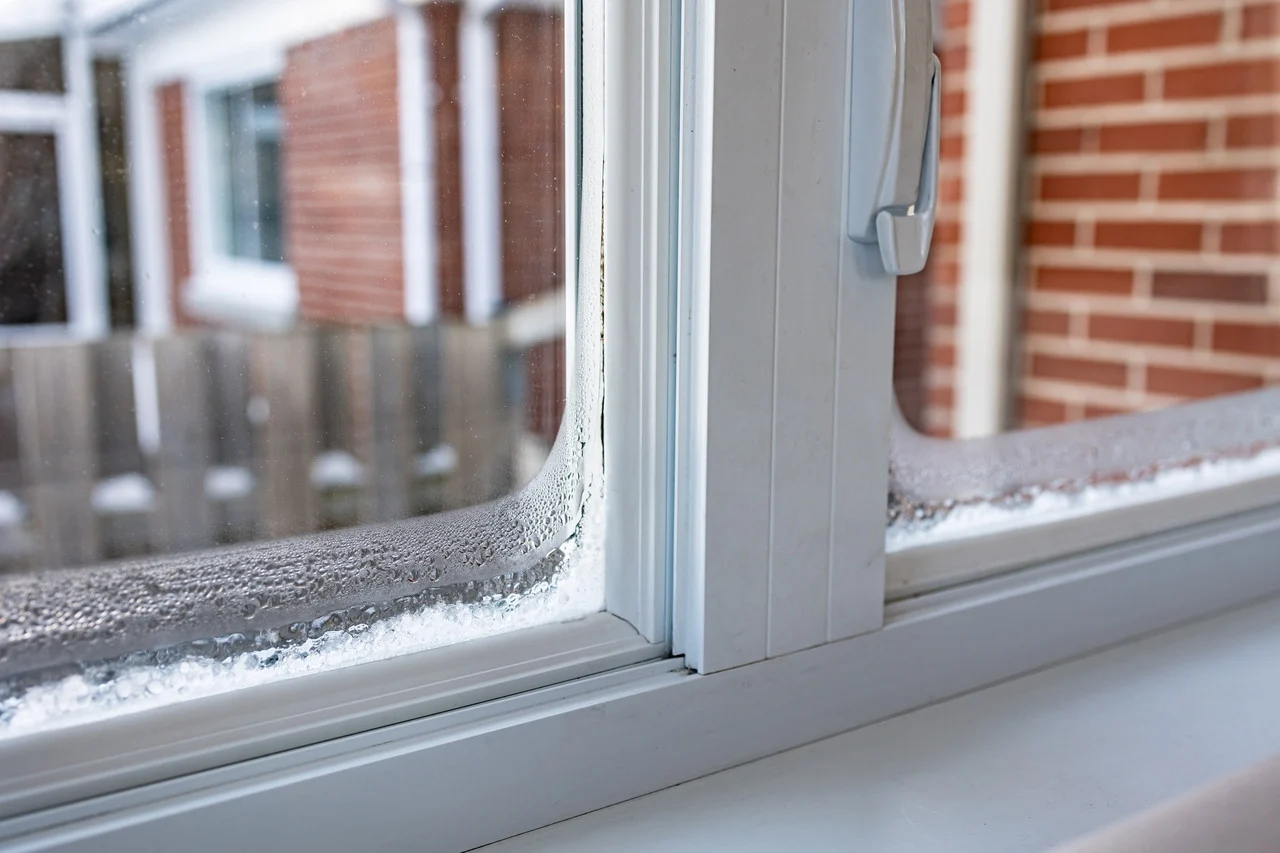
In a world where energy efficiency is becoming a priority, the insulation of your home is essential to save energy and ensure optimal comfort. But do you know if your windows are truly efficient, or are you wasting money due to poor insulation? Discover the “flame test,” a simple and quick method to verify the effectiveness of your double glazing.
Winter, insulation, and energy bills: when the flame test becomes crucial
Winter can be harsh, especially when, despite heating at full blast, the cold continues to seep into your home. If you have the impression that cold air is seeping through your windows, it is possible that your installations are not perfectly insulated. Fortunately, there is a simple and effective method: the flame test.
This technique involves lighting a candle or a lighter near your windows. If the flame wobbles or moves, it means there is an air draft, and therefore a cold air leak. This test allows you to quickly pinpoint the problematic areas of your home, in order to better target insulation work or the necessary repairs.
The flame test to better insulate your windows
If this flame test proves conclusive, there is no point in cranking up the heating and wasting money. You must act, and quickly! For this, several solutions are available to improve the thermal insulation of your home. You can first start by replacing your windows with models that have high energy performance, or even better: add double glazing if it is not already installed.
Another solution is to add insulating curtains or weatherstripping. These measures will allow you to reduce heat losses, improve your comfort and, above all, save on your heating bill.
Lowering your heating bill by putting windows in winter mode
Did you know? It is possible to improve the sealing of your windows in winter in order to reduce your heating bills. Indeed, many modern window frames have a seal adjustment that can be tuned according to the seasons. By switching to winter mode, you optimize the closing of the windows to limit the infiltration of cold air.
Here’s how to proceed: inspect the edge of the window; you should spot a small screw or an adjustment point along the frame. With a screwdriver, gently tighten the window to improve its sealing. This operation takes only a few minutes, but it can make all the difference! Not only does it reduce heat losses, but it also protects your windows from thermal shocks, thereby prolonging their lifespan.
