

Summer has an advantage that we sometimes forget: many of the activities we pursue purely for pleasure can also be stimulating for our brain. We’re not talking about spending hours solving Sudoku puzzles or memorizing word lists. Nor about turning the holidays into a mental training session.
We’re talking about much simpler things: picking up a book, going for a walk, tending a small garden, cooking, taking on a hands-on project, or sitting after a meal to look at old photographs.
In Spain, it is estimated that between 800,000 and 900,000 people live with Alzheimer’s disease, according to data from the Spanish Neurology Society and the Pasqual Maragall Foundation. While no single activity can by itself guarantee the prevention of cognitive decline, research has found associations between an active, varied lifestyle and better maintenance of certain cognitive abilities over the years.
In fact, crossword puzzles and Sudoku do not have a monopoly on brain stimulation. What seems to matter is keeping the brain engaged with different, enjoyable activities that require attention, movement, creativity, or social interaction.
And summer is full of them.
The Beach Novel, the Countryside Walk, and the Balcony Plants: Three Small Allies of the Brain
Reading a Novel
Few images are more summery than a book by the pool or on the beach.
Yet while we follow the protagonists’ adventures, our brain has plenty to do.
Reading involves sustaining attention, understanding the text, and remembering characters, places, events, and the relationships among them. Imagination also actively participates, and when a story evokes memories or personal experiences, autobiographical memory can come into play.
That’s why this summer it might be worth not leaving the book on the nightstand.
Walking in Nature
A stroll through a forest, a park, the countryside, or the beach can be one of the easiest ways to combine movement with mental stimulation.
Research has linked contact with nature to better attention and working memory and to reduced stress. And this last point matters too: chronic stress can negatively affect different cognitive functions.
You don’t need to arrange a grand excursion. A short walk can become a small interlude to clear your head, move your body, and enjoy your surroundings.
Caring for a Garden (Even a Tiny One)
You don’t need a field to enjoy the benefits of gardening. A few pots on a terrace or a small urban garden can be enough to establish a routine that requires observing, organizing, and remembering tasks.
Watering, planting, pruning, watching how the plants progress, or deciding where to place each one involves attention, planning, coordination, and engagement of multiple senses.
Moreover, there’s something particularly gratifying about seeing something you’ve tended grow.
The Other Three Activities May Surprise You More
Letting Creativity Flow
Painting, drawing, cooking, sewing, knitting, making pottery, or picking up a new craft are activities that push you to concentrate and plan.
Coordination and fine motor skills also come into play, while creativity demands continuous decision-making: what to do, how to do it, and what to adjust when the result doesn’t come out as expected.
There’s also another potential indirect benefit: these activities can offer a moment of relaxation and help reduce stress.
It doesn’t matter too much whether the result ends up looking like a work of art or something we’d rather not show anyone.
Doing DIY
Assembling a piece of furniture, repairing a chair, restoring an old object, or starting any small home project can also be a way to keep the brain active.
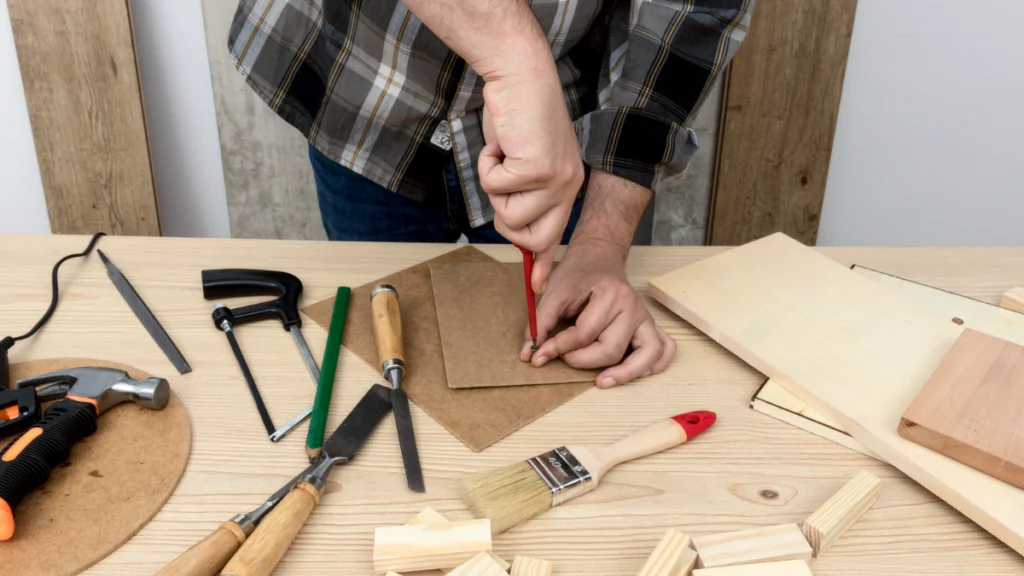
You need to remember instructions, follow a sequence of steps, calculate, solve problems, and coordinate the hand movements.
In other words, behind that seemingly innocent “I’ll fix this in five minutes” can hide a small session of planning and problem-solving.
Recalling Memories with Family
This may be, probably, the easiest activity of all.
During summer family gatherings, it’s enough to pull out a photo album, talk about a past vacation, or ask grandparents how their summers were when they were young.
Photos can act as triggers for memories, while sharing personal stories engages autobiographical memory. And doing it together adds another important ingredient: social interaction.
Sometimes an old photograph achieves something that no app can imitate: three generations ending up talking for an hour about a story everyone remembers in a slightly different way.
The idea isn’t to turn summer into a competition to keep the brain busy all day. Nor is there a specific activity that can guarantee a person won’t develop cognitive decline.
What the research suggests is something much simpler: maintaining an active, varied, stimulating, and social life can be beneficial for cognitive health.
That’s why this summer perhaps we can look at those small plans we usually carry out without thinking too much in a different light.
A sunset stroll. A novel we’ve been wanting to finish for months. A few plants that need watering. A new recipe. A DIY project we’ve been postponing. Or a coffee break when someone opens a photo album and starts saying: “Do you remember that summer…?”
They may not seem like memory exercises.
And that’s precisely what makes them interesting.
