
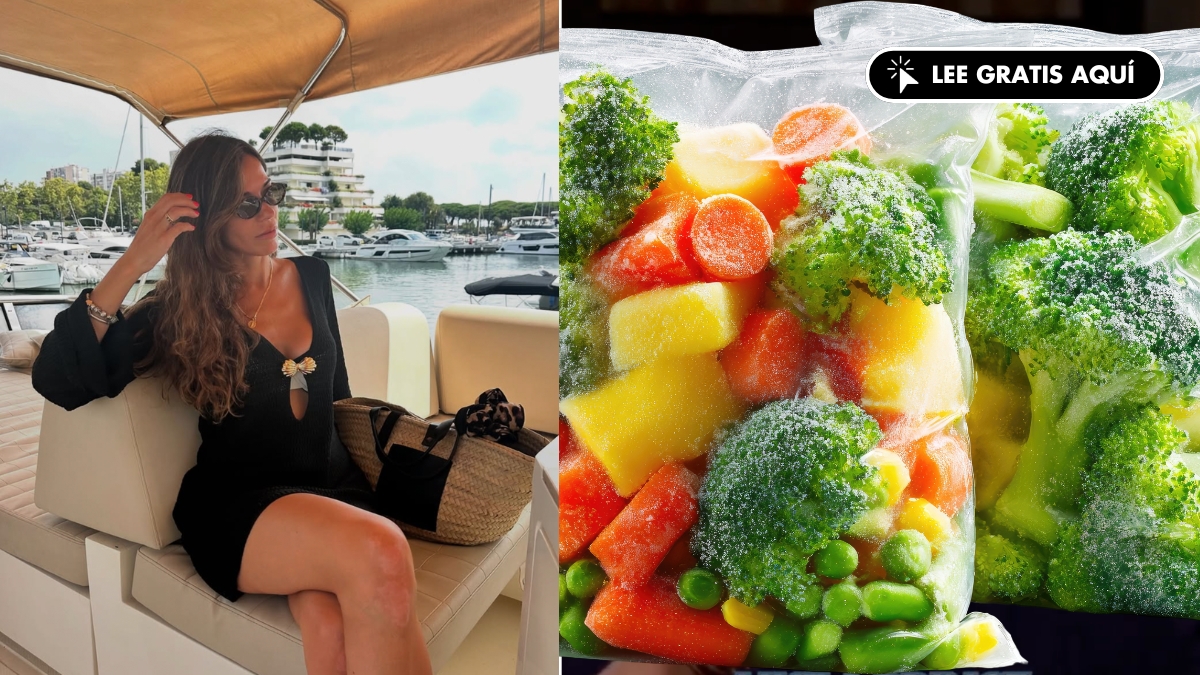
One of the main obstacles to eating healthily today is a lack of time: long workdays, arriving home tired and too late, etc. As a result, it has become increasingly common and routine to turn to pre-cooked and ultra-processed dishes. But the reality is that there is a much better, faster, and more economical alternative: frozen and canned vegetables. However, it is normal that when you think of them, the first thought is that they may not be entirely healthy, which always leads to the same question: Are they really a good option? To resolve this doubt, the dietitian-nutritionist Ana del Villar has spoken and has dismantled the idea in a decisive way.
Canned and Frozen Vegetables Are Healthy
«They are not worse than fresh ones», the expert asserts firmly. In fact, the vegetables we buy frozen, canned, or in glass jars are just as nutritious as those bought in the fruit-and-vegetable section. The big advantage of these options is how practical they are: they come clean, often already chopped and ready to cook in just a few minutes, which saves time and, in many cases, reduces the stress of cooking. However, not all supermarket bags or cans are the same. The nutritionist issues a key warning: it is essential to check the labels before adding them to the cart. «We must ensure they do not contain added sugars, saturated fats, or an excess of sodium.» The secret lies in choosing those products that minimize these unnecessary ingredients.
The Great Advantage of Frozen Produce
The secret that frozen vegetables preserve their properties so well lies precisely in timing. These vegetables are frozen immediately after being harvested, right when they are at their peak ripeness, which makes them a perfect companion to meals. That said, there are exceptions. Ana del Villar notes that foods such as carrots, tomatoes, or pumpkins are, curiously, a better option if purchased canned or preserved rather than frozen.
The “Problem” with Fresh Vegetables
Consuming fresh vegetables remains one of the best options for our health, but with one condition: they have to be genuinely fresh. The time that passes from harvest to the plate is very important. According to the expert, many supermarkets centralize their distribution, which means that vegetables may have been harvested many days before they go on sale. If you add to this the days that pass until they are finally eaten, the nutritional value of the food decreases, as the vitamins are lost. Therefore, the nutritionist insists that, if we buy fresh, it is extremely important to store it properly in the fridge and to consume it as soon as possible.
