
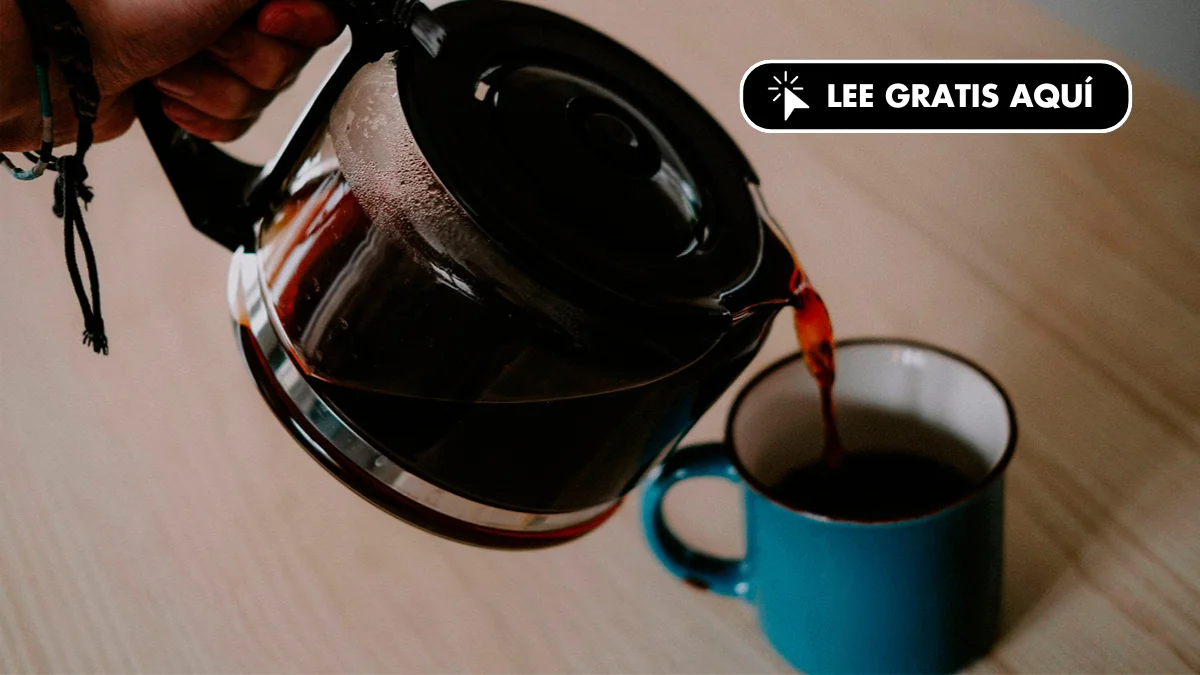
The morning coffee routine counts millions of followers around the world. Turned almost into a ritual, starting the day with a coffee is a recurring way to wake up, have breakfast, and set the body in motion, seeking that caffeine boost whose stimulating effects have been known for centuries.
There are many virtues of coffee beyond that energizing profile. Numerous scientific studies back its benefits, ranging from cardiovascular protection to improved intestinal motility, and even the reduction of certain risk factors linked to the development of neurodegenerative diseases. Of these, in fact, we have spoken several times about them on THE OBJECTIVE.
In short, it’s hard to get more from something so trivial, but… do we really know how much caffeine our coffee contains? Or, better yet, do we know what determines the caffeine in our cup? Many people give up coffee, especially after a certain hour of the day, to avoid it interfering with sleep. However, sometimes it’s not simply a matter of the coffee itself, but of the type of coffee we’ve prepared. And that’s where caffeine comes into play.
Coffee and caffeine: why the method matters
Typically, we consider that there are two major styles of coffee: the espresso, which is prepared in seconds and is common in hospitality settings, and filtered coffee, like the one we can make at home with a classic drip coffee maker. There is, however, another relevant category, intermediate between the two: the classic Italian moka, where coffee is prepared by the pressure generated by steam as the water heats. In other words, it’s not exactly one thing or the other.
Within filtered coffee, there would also be some trends of specialty coffee, such as the V60 or, in general, the pour-over category — pouring over the coffee — although they are still not as widespread among the general public. The curious thing about all this is that there is a mistaken perception about the total caffeine amount depending on the brewing method.
As explained by the cardiologist Irene Narváez, an expert in metabolic health, on her Instagram account, with a statement that will surely surprise more than one. Normally, when we talk about eating or drinking, we interpret that a stronger flavor could be linked to a higher concentration of certain substances.
View this post on Instagram
James Whitaker
I’m James Whitaker, a UK-based journalist focused on emerging trends and everyday stories gaining attention across the country. I cover the topics people start talking about before they fully break into the mainstream. My work aims to stay clear, factual, and closely connected to how news is actually consumed today.