
The network of Los Pueblos más Bonitos de España increases by four new towns starting in 2026, strengthening its catalog as a benchmark for heritage, culture, and the rural landscape of the country. After the last assembly held in Santillana del Mar, Santa Gadea del Cid (Burgos), Oseira (Ourense), Vilanova dos Infantes (Ourense), and Alpuente (Valencia) passed a rigorous audit that evaluated heritage conservation, urban harmony, cultural authenticity, and commitment to sustainable tourism. This recognition not only rewards aesthetic beauty but also the history, traditions, and the way each village integrates with its natural surroundings.
Alpuente: the first Valencian town to be recognized
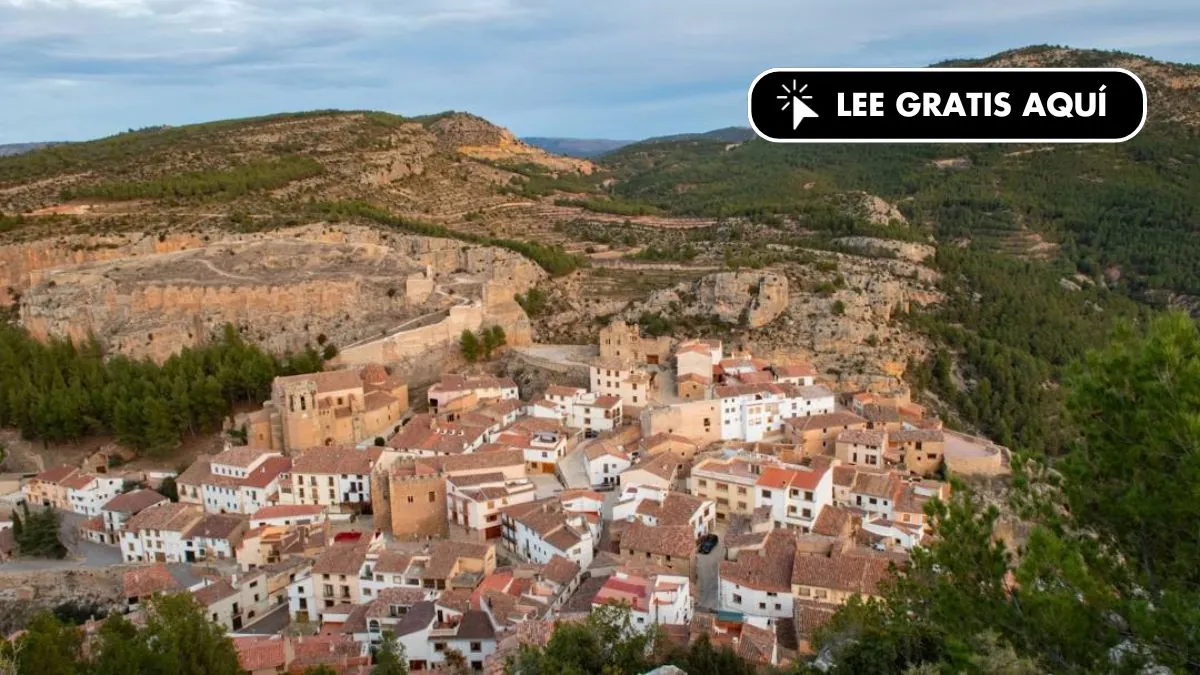
The scene shifts when we move inland within the Valencian Community, where Alpuente emerges as the major novelty. This municipality, the first in its province to join the network, blends history, nature and tradition in a mountain setting that leaves a mark and gives it character. Nestled in La Serranía, sharing a border with Teruel, Alpuente endures long, cold winters with frequent snowfall and a landscape that transforms with every season, making it ideal for travelers seeking an authentic rural experience.
The old town of Alpuente preserves traces of its Andalusian past, with winding streets, small squares, and remains of walls that recall its strategic importance. The town’s history is reflected in its role as the seat of the Cortes of the Kingdom of Valencia in the 14th century, specifically in its Torre Aljama, a historically significant event that underscores Alpuente’s political influence at that time. Moreover, the municipality was a royal town with the right to vote in the Cortes, and although its strategic significance waned over the centuries, it played a part during the Carlist wars, leaving imprints in its castles and in the memory of the place.
What to see in Alpuente
Among the most notable monuments is the Acueducto de los Arcos, built between the 16th and 17th centuries. This impressive hydraulic work still preserves remnants of its original canalization and has become one of the town’s symbols. Another distinctive attraction is its link to prehistory: Alpuente houses a Paleontological Museum and several dinosaur sites, making it a unique destination for lovers of science, archaeology, and ancient history.
@itsme_nathalypere Alpuente a beautiful village with wonderful views, ideal for a day out with family or friends. INFO IN THE DESCRIPTION… Av. San Blas, 19, 46178 Alpuente, Valencia. I recommend going early and contacting the tourist office, so they can tell you everything you can see. We hired a guide, a super friendly guy who explained the village’s history to us in an engaging way. Points of interest: – Walls and towers in the town. – Torre de la Alhama – Castle of Alpuente. – Church of Nuestra Señora de la Piedad. – Church of Corcolilla. – Ethnological Museum. – Medieval Gardens. – Paleontological Museum. – Site with dinosaur footprints at Corcolilla. The price with the tour guide is 5€ per adult and 3€ per child. (Ask for Yann, he was our guide and he is super attentive). If you go in winter dress warmly because it gets quite cold. Do not litter, let’s take care of what we have. Therapy for my real content for you #paseos #rutas #planes #valencia #españa #familia #amigos #turismo #verano #conociendo #venezolana #playas #montaña #mar #comunidadvalenciana #vacaciones #senderismo #aventuras #montañas #deporte #caminatas #arqueologia #montaña #compartir #mirador #naturaleza #excursiones #invierno #rutas #planesconniños #planesenfamilia ♬ love song (hesitations) (sped up) – Lofuu & Shiloh Dynasty & dprk
It is also essential to tour the Town Hall, housed in a historic building, the squares of the old town, the gates opening to the walled enclosure, and the surrounding natural environment that embraces the municipality, with hiking routes that allow you to explore the Serranía and enjoy unique panoramic views. The nearby villages, such as El Collado or Corcolilla, offer tranquil strolls and a glimpse into the rural lifestyle that has characterized the area for centuries.
What to eat in Alpuente
Alpuente’s gastronomy reflects the richness of its mountainous surroundings, blending tradition with high-quality local products. Dishes such as rabbit and snail rice, Valencian ollada, homemade sausages, and traditional stews let you savor the essence of the region, while artisanal desserts made with almonds, honey, and other local produce complete an authentic experience. Among the places to enjoy this culinary offer are several restaurants and bars in town:
- Victoria Restaurant, on Avda. San Blas, 9, with seating for 35 people, offers lunch and midday meals from Tuesday to Sunday.
- La Cueva Restaurant, on Calle Lavadero, 1, offers lunch and dinner in a cozy setting.
- La Hoz Restaurant, on Avda. San Blas, 4, has a capacity for 100 people and serves lunches, midday meals and dinners, with Tuesday as a day off.
- Bar El Molinero, on Avda. San Blas, 5, serves lunches and coffee daily, with Thursday as a day off.
- Piscina Alpuente Bar offers seasonal lunch, midday meals, and dinners; for contact information please consult the Town Hall.
The incorporation of Alpuente into the network of Los Pueblos más Bonitos de España not only recognizes its aesthetic and patrimonial value but also boosts its tourism prospects, promoting heritage conservation and sustainable tourism. This seal helps to highlight the cultural and historical richness of the Valencian Community beyond its beaches and major cities, showing that the inland also houses unique jewels capable of attracting discerning and curious travelers.
Other towns that have been among the most beautiful in Spain in 2025
Santa Gadea del Cid, Burgos
In northern Spain, Santa Gadea del Cid stands as a living testimony to Castilian medieval times. Its urban ensemble remains virtually intact, with a homogeneous layout and hamlets that seem paused in time. The 14th-century church-fortress dominates the landscape, and its cobbled streets evoke the strategic importance of the Burgos town. Santa Gadea del Cid emerges as an ideal destination for those seeking quiet escapes, where every corner communicates centuries of history and the solidity of medieval architecture.
Oseira and Vilanova dos Infantes, Galicia
Galicia contributes two new jewels to the network. Oseira, in Ourense province, houses the Monastery of Santa María de Oseira, a Cistercian complex built between the 12th and 16th centuries. The monastery’s monumental scale and its deep connection to Galician spiritual history make it a sanctuary of calm and contemplation, surrounded by nature and silence. Vilanova dos Infantes, also in Ourense, stands out for the harmony of its architecture and the preservation of its historical legacy. Its medieval tower and its cobbled streets form an urban core filled with authenticity, where time seems to pass at a slow pace. Both towns offer the lesser-known Galicia, with landscapes and traditions that attract travelers seeking authentic and tranquil experiences.
