
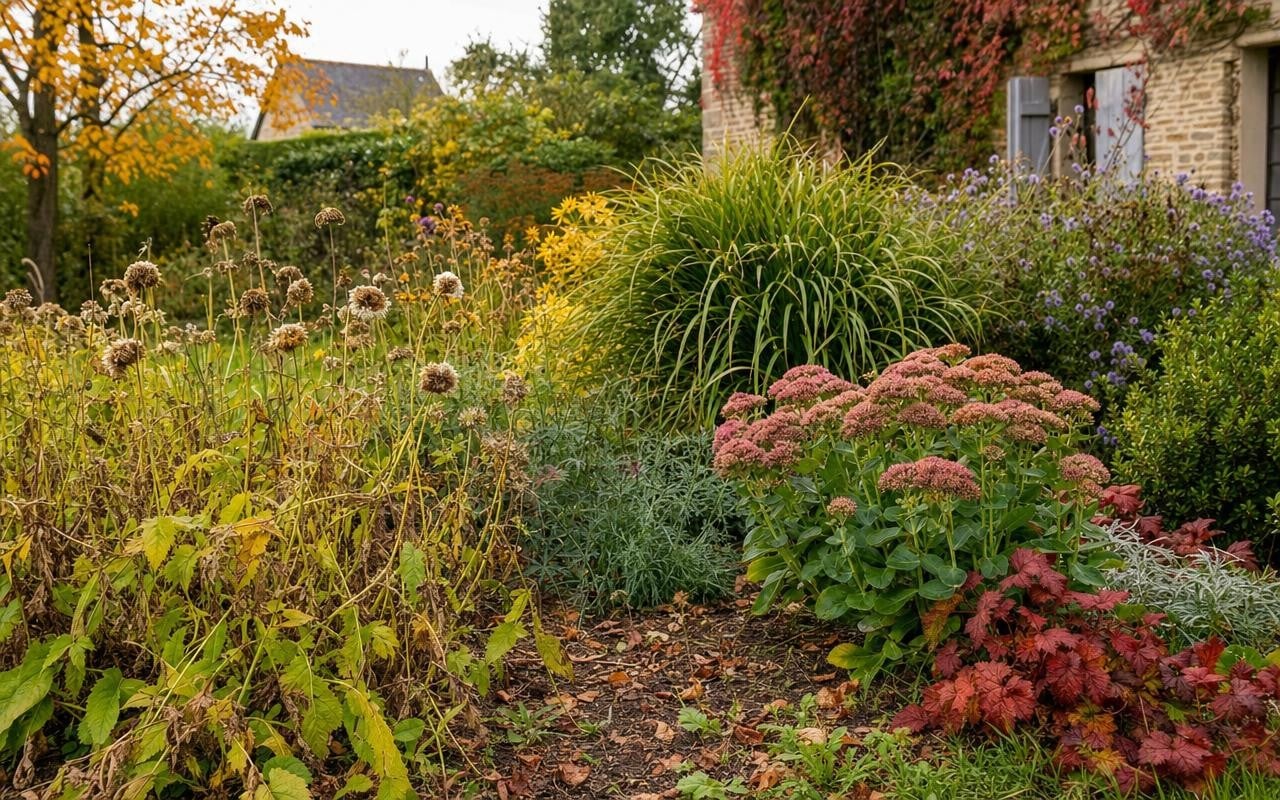
In autumn, garden centers overflow with pots and labels promising beds that will endure for years. The soil is still warm, rains return, and the air cools down: perfect conditions for installing perennial plants in the garden. Many homeowners take advantage of the moment to splurge on perennials, convinced they are making a durable investment. Yet some seemingly reliable choices on paper quickly turn into sources of regret.
In this article, the term perennials refers to plants that stay put for several years: herbaceous flowers, ornamental shrubs such as hydrangeas, and even small fruiting shrubs like blueberries. The journalist Tessa Cooper asked two professionals for The Spruce, Matthew Moughtin, creator of the Raychis app, and Erin Williams, a cut-flower gardener, which plants they regret having planted. Their six replies shake up a number of purchasing reflexes.
Why do some perennials make autumn planting a source of regret
The confessions of these gardeners reveal three main reasons for disappointment. First, plants that look stunning in photos prove extremely demanding once in the ground: they require constant watering, a sunny spot to avoid, or, on the contrary, an acidic soil that is indispensable. When you work full-time or when the site doesn’t offer these conditions, the beautiful perennial withers, even though autumn is typically favorable for rooting thanks to warm soil and more regular rainfall.
Another common scenario: the plant grows a bit too happily and colonizes every nook. What initially seems generous becomes a real job of removal all summer, especially in a small garden. Finally, some perennials deliver a fireworks display in the first year, then let down in subsequent seasons, with fewer flowers despite divisions and careful care. Hence the value of knowing the downsides before planting in autumn.
The six perennials that professional gardeners regret planting
For Matthew Moughtin, hydrangeas remain the biggest regret. He loved their spectacular blooms, yet he explains: “Unfortunately, some varieties require a lot of water and don’t tolerate too much sun.” In his garden, keeping them alive through summer is impossible. Erin Williams, she highlights rudbeckias with dark centers: “They will pop up everywhere,” she explains, to the point that you must pull them all summer if you want to keep them contained. Comfrey completes this problematic trio for Matthew Moughtin: useful for making homemade fertilizers, but he notes that “only it self-seeds easily and spreads throughout the garden. I spend my time pulling up young plants wherever I don’t want them.” He recommends instead the sterile variety ‘Bocking 14’.
Erin Williams also expresses disappointment with Geum (potentillas): “I want to love them, but they don’t live up to my expectations,” she admits, after a first very floriferous year followed by fewer flowers, even after division. For a color comparable to spring, she prefers narcissi such as the Replete variety. On the fruiting side, Matthew Moughtin regrets the blueberries, ericaceous plants that prefer acidic soils “ideally with a pH of 6 or lower.” Without that acidity, the shrubs poorly absorb nutrients and produce little before fading. As for perennial sages, Erin Williams believes that annual forms, or a nepeta, offer a much more generous bloom.
Final checks to avoid disappointing perennials
Read the label carefully: soil type, exposure, and water needs must align with your garden conditions.
If these plants are already in place, investigate their requirements and commit to their upkeep.
