
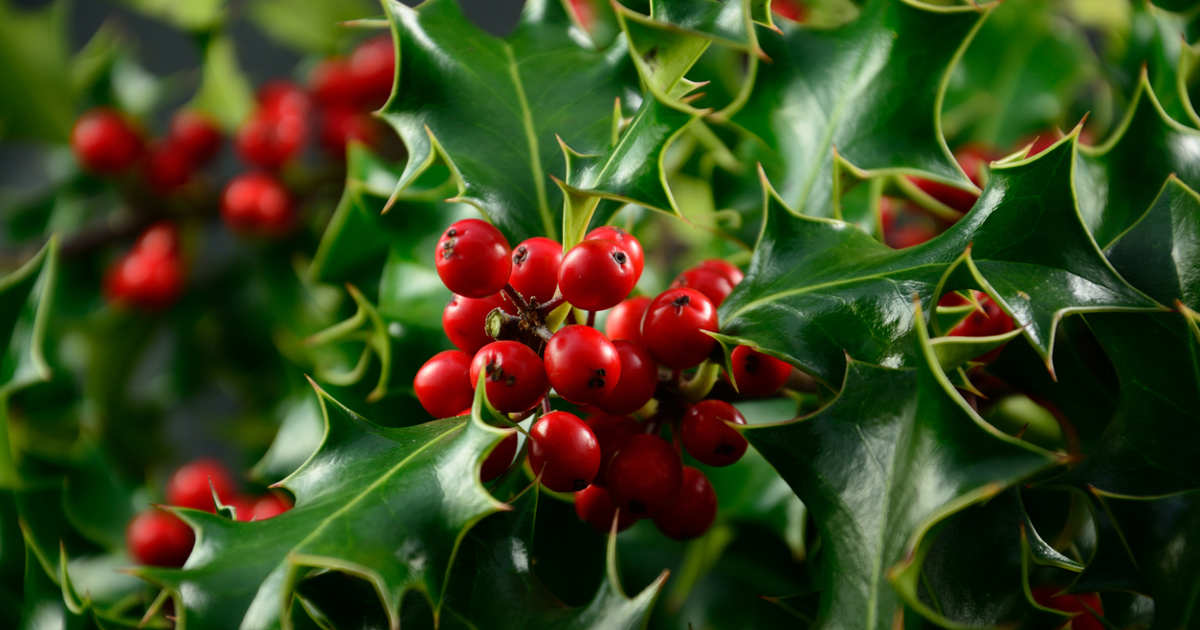

Holly, botanically known as Ilex aquifolium, is one of the most quintessential Christmas plants. It has symbolised protection, good fortune and eternal life since ancient times, because its evergreen leaves stay green and its red berries stand out in winter. Christianity has viewed holly as representing the blood of Christ and the thorns.
Fossil records show that this genus has accompanied forests around the world for millions of years, which explains its enormous adaptability… provided its natural surroundings are respected.
Holly, a hardy and grateful plant
As explained by Cé Rodríguez (@en20metros on social media), a horticultural communicator, it is a hardy and grateful plant, but only when grown where it belongs.
The main mistake is treating it as an indoor decorative plant, when it is not, or as just any sunny garden shrub. The holly does not respond well to this; when it is forced, it stops growing or loses its most sought-after feature, the red berries.
Always outdoors, never indoors
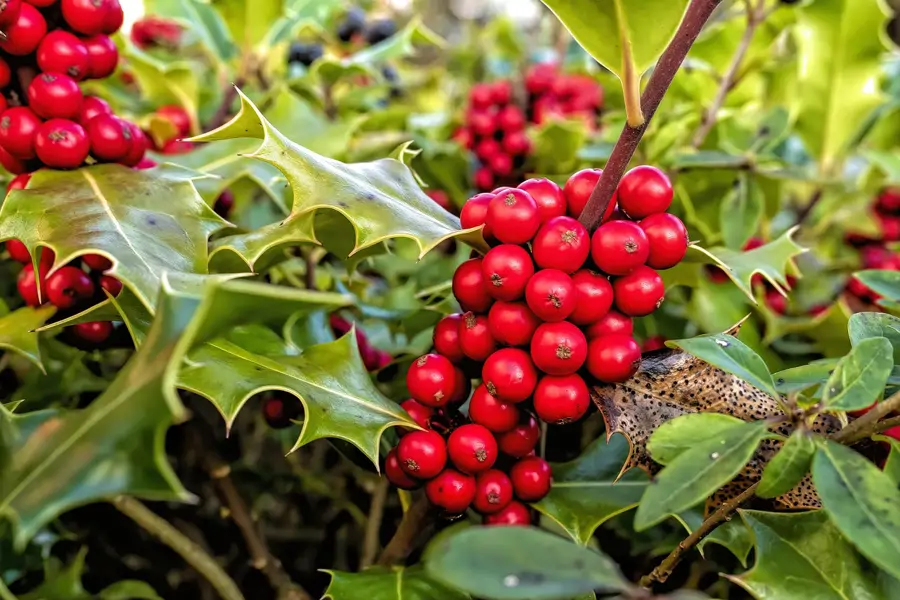
One of the clearer messages repeated by experts like Cé Rodríguez is that ‘the holly must always be outdoors’.
It is not an indoor plant nor a species that tolerates enclosed environments. Indoors it suffers from a lack of ventilation, excessive heat and moisture problems in the potting mix that end up leading to pests.
By contrast, outdoors, whether in a garden or in a pot, on a terrace or a balcony, it can obtain what it needs: moving air, ambient humidity and day–night temperature fluctuations, all of which are beneficial. It is a plant that tolerates wind, rain and cold well, and particularly appreciates cool, damp climates, such as those found in the cooler regions of Europe.
Climate and location, the key to holly’s success
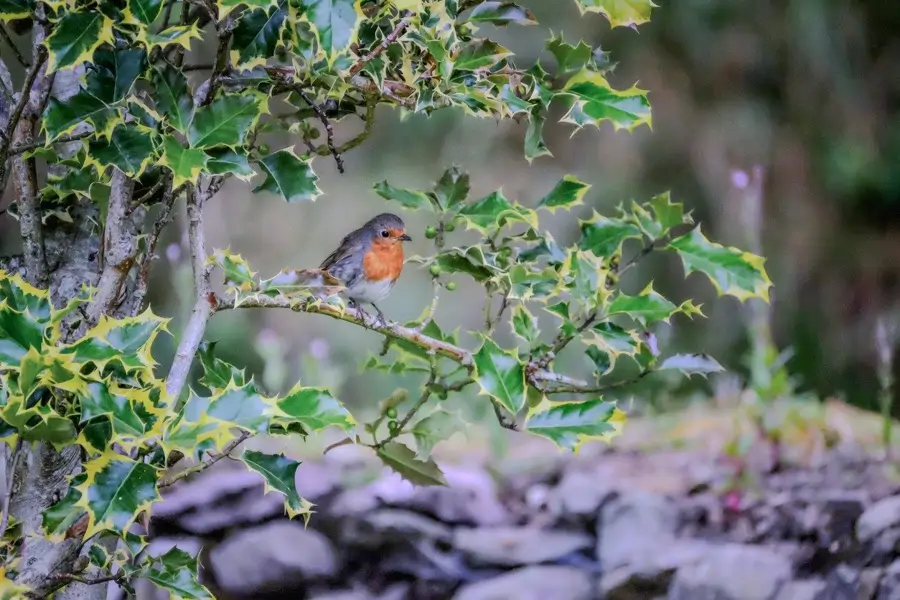
The holly grows naturally in wooded, cool zones of Europe, including the north of Spain. As you head toward the centre and south, cultivation becomes more challenging.
As noted by Ignacio Guío (@ignacioguio), in places like Madrid or further south it is not usually recommended, unless you have a very cool and sheltered aspect.
It prefers shade or dappled shade, with a touch of gentle sun in the early morning, but never direct, prolonged exposure in summer.
Moreover, planting it under larger trees or in sheltered spots helps keep soil temperatures stable, which is essential for its development.
Slow growth, but a solid structure
One of holly’s great virtues is its structural robustness. It has tough, leathery leaves and a strong wood that helps it withstand adverse conditions.
Yet it grows slowly, very slowly. A holly tree of ten years may still look young, but that slowness is precisely what lends it longevity.
This trait explains why transplants don’t suit it. Every move represents substantial stress, so it’s best to choose its final position from the outset and move it as little as possible.
Soil, irrigation and ambient humidity
Holly originates from forests rich in organic matter. Therefore it requires fertile, deep soil that is always slightly moist, but never waterlogged. It does not tolerate saucers under the pot or compacted soils well.
When rainfall is insufficient, Cé Rodríguez recommends watering in shower mode, also wetting the foliage.
This gesture imitates the forest’s natural rain and helps maintain the ambient humidity it so needs. Frequent spraying is especially useful in drier climates.
The pruning and the mystery of the red berries
One of the most important aspects of holly care is pruning. The red berries do not appear by chance. First they are green and need time to ripen. If pruned at the wrong moment, those fruits will never redden.
The general recommendation is not to prune before Christmas if you want to enjoy the red colour. If pruning is done for ornamental purposes, it should be thorough and deliberate, not half-hearted. Holly responds well even to severe pruning, but always with respect for its slow pace.
Fertilising and nutrition understood
Being a very green and lush plant, holly appreciates nitrogen-rich fertilisers for much of the year.
Compost, well-rotted manure, compost tea or gentle feeds fit perfectly with its woodland nature.
When the fruits begin to form, potassium should be supplied to promote their development and maturation. This nutritional balance is key to achieving a healthy plant with a good ornamental display.
When and how to care for your holly in summer so it looks its best every winter
Towards the end of summer, take a calm look at your holly. Add a generous layer of organic matter at the base, ensure the soil drains well and monitor whether it receives too many hours of direct sun.
Shading, improving the soil and increasing humidity before autumn is the best gift you can give it.
That way it will arrive at winter strong, with fruit forming and ready to display that green and red contrast that makes it one of the season’s most special plants.
