
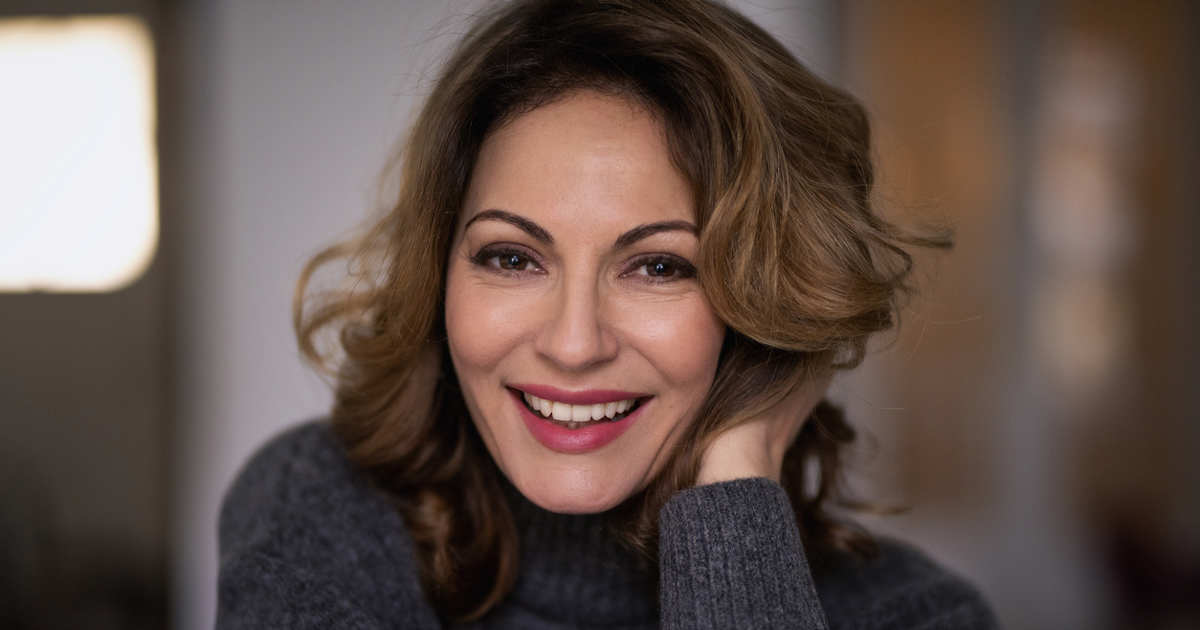

¿Te ha pasado alguna vez que ves en una actriz un corte o un color de pelo que le queda genial, pero al intentar imitarlo el resultado en tu rostro no es el que esperabas? No todos los estilos nos quedan bien, tanto el color como el peinado deben estar acorde con características como nuestro tono de piel y la forma de nuestro rostro. Pero no solo eso. Hay otro factor que puede influir y que quizá no te hayas planteado: la edad.
A medida que sumamos años, colores de pelo que antes nos quedaban bien dejan de hacerlo. Y es que nuestra piel va cambiando con el paso del tiempo, incluso su tono es diferente. Del mismo modo que los cambios de la piel madura hacen aconsejable adaptar el maquillaje, el color del pelo también puede dar un look muy diferente.
“Hay tonos de cabello que te hacen ver fresca, juvenil, descansada y hay otros que por lo contrario te endurecen, te suman años que ni siquiera tienes”, asegura la experta en moda y belleza Daniela Liepert. En su canal de YouTube, desde el que comparte trucos de belleza, ha explicado cuáles son los tonos que más favorecen y rejuvenecen, y cuáles, por el contrario, nos envejecen.
Age Changes the Colours That Suit Us
Undoubtedly, personal taste and preferences are paramount when choosing a hair colour, and the key is that we feel comfortable with our look. From there, there are a few objective guidelines about what suits us best or not, and one of the factors that most influences this is age.
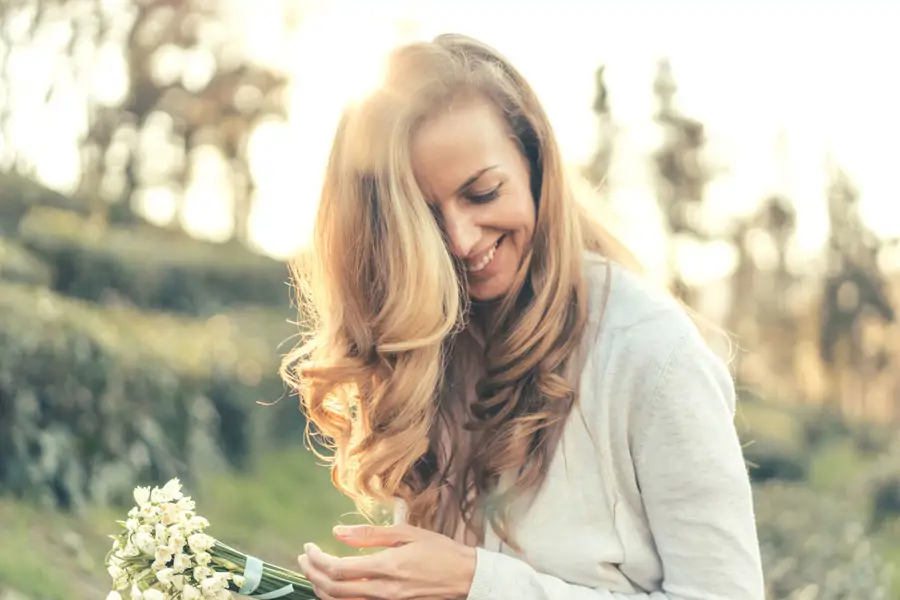
Con los años no solo la piel envejece y los párpados se caen, también el pigmento y el contraste cambian. Por ejemplo, los labios están más pigmentados y son más carnosos en la juventud. Con la edad tienden a perder color, volverse más finos y menos definidos debido a la pérdida natural de colágeno.
Todos estos cambios hacen que un tono de cabello que antes nos favorecía ahora ya no nos quede tan bien. “Tenemos que ir evolucionando e ir adaptándonos a nuestro nuevo rostro, a nuestro nuevo colorido”, aconseja Liepert.
Hair Colours That Age You
Understanding our colourimetry is not only key when choosing good makeup; it can also guide hair colour decisions when we decide to change it after a certain age. There are hair colours that accentuate wrinkles, blemishes and imperfections, making the gaze and the face, generally, look harsher.
High Contrasts
To determine whether a hair colour will suit us, one must take contrast into account and for that we should analyse skin, eyes and hair together to see how much “light” and how much “darkness” there is in the face.
A high natural contrast (for example, very dark hair and eyes with pale skin) can look great in youth, but not so much with age. “That strong contrast also makes wrinkles stand out, makes the gaze look harsher, and the overall image look harsh,” says the expert. It isn’t about stopping using dark tones, just lowering the contrast, choosing instead of jet black a slightly lighter shade, for example, a chocolate.
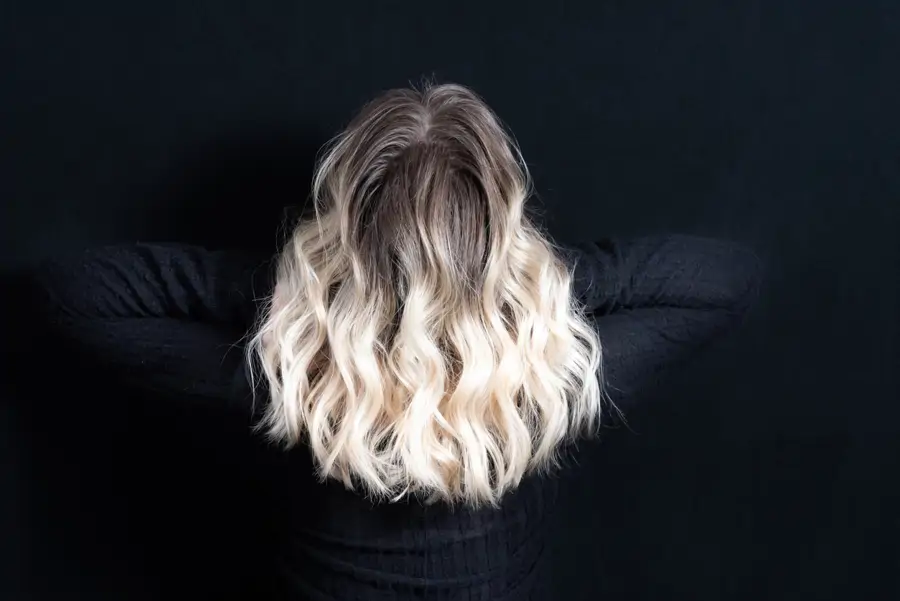
The same applies when the root is very dark (near black) and the mid-lengths and ends very light (nearly white). The colours often clash and there is too much contrast between sections of the mane. “With age, changes must be more subtle and that is why gradients look so good on us,” explains Liepert.
Flat Colours
Flat colours, without nuance, can suit certain people if they hit exactly the shade that suits them, but generally this isn’t the case and even less so with age, when the skin loses its glow.
A flat, dimensionless hairstyle looks, according to the expert, “like an outfit without textures.” In other words, it can look fine, but not spectacular. What makes it look spectacular? Introducing contour-type highlights, as we’ll see later, will add a natural glow.
Hair Colours That Flatter
There are many colours that flatter women from forty onwards, and we have already mentioned one important characteristic: they should not be overly contrasted.
Warm Colours With Not Much Contrast
“Warm browns, caramel, beige… all those tones that paint a sunset, autumn, the earth”, counsels Daniela Liepert.
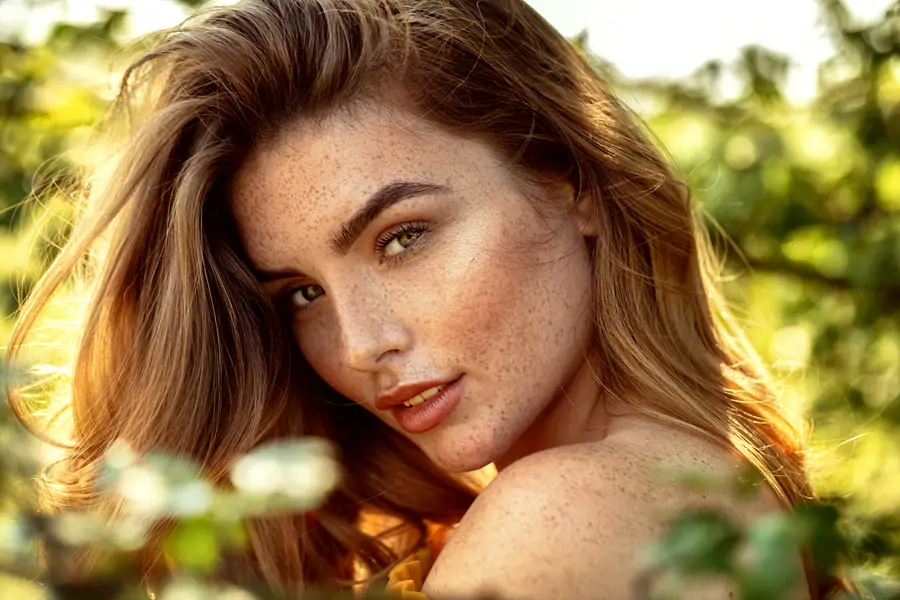
Warm tones can be paired with a brown or chestnut base and, as the expert notes, “they’ll bring a lot of light, they’ll make you look much younger, they won’t emphasise your dark circles or blemishes.”
Warm blondes or beige blondes also help the face to glow, especially for people with warm-toned skin.
Contour to Lighten the Face
The facial contour or contour involves placing lighter highlights at the front, around the face, and in strategic locations to achieve a visual effect that flatters and balances the face, using light and shadow to illuminate or soften certain areas.
“They bring you light, remove rigidity, frame your smile, help your makeup and expressions be seen, that is, they don’t overwhelm or cover you up; on the contrary, they give you light and freshness,” explains Liepert.
Well-Cared Grey Hair
More and more women are opting to wear their greys with confidence. And while in the early stages it can be less flattering, a white or grey mane can look spectacular.
That said, greys do need looking after. “Grey hair tends to appear greenish or yellowish,” warns the expert, “you should rely on shampoos, treatments, and careful care of the grey.” Moreover, in her view, it tends to suit people with cool skin tones better than those with warm tones.
