
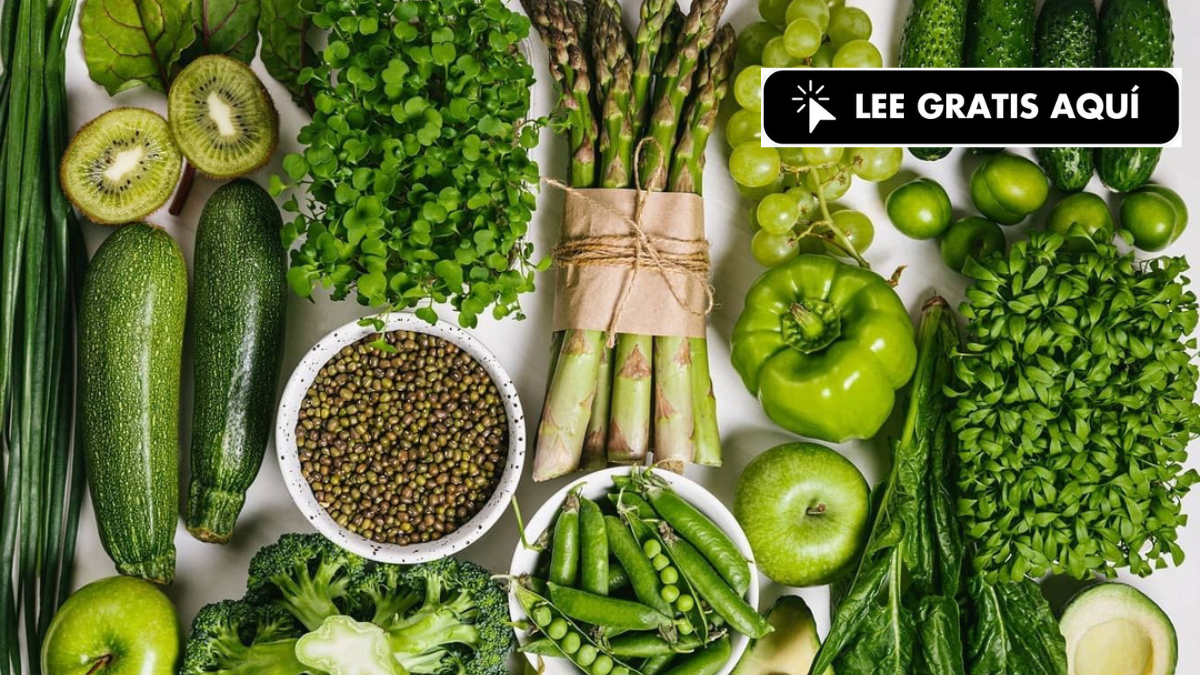
There are foods that never go out of style, but in summer they shine even brighter.
Green leafy vegetables are one of those staples that work almost like a small daily act of self-care: they provide nutrients, help protect the skin, support digestion and add a refreshing touch to light dishes that feel more appealing when the heat is on.
Moreover, they are especially interesting at this time because many can be eaten raw or barely handled, which helps preserve their vitamins and antioxidants. That makes them an ideal resource to eat better without giving up easy, quick and appetizing recipes.
More than a simple nutrition tip, incorporating green leafy vegetables into the diet is a very effective way to boost health without making major changes.
They are rich in fiber, vitamins, minerals and antioxidant compounds that help protect the body from oxidative stress, support the proper functioning of the immune system and can contribute to the care of the skin, eyes, heart and gut health.
In addition, in summer they have an extra advantage: their fresh texture and light flavor pair very well with salads, cold creams, gentle stir-fries or cold cereals dishes. And the best part is that you don’t have to eat the same thing all the time. Rotating them is key to making the most of everything they offer.
Watercress: small but mighty
Watercress nutritionally plays in the top tier. It is rich in vitamin K, vitamin A, vitamin C, calcium and antioxidants, a combination that helps take care of bones, skin and immune defenses.
I like to see them as the ingredient that lifts any dish without stealing the show. They look especially good in fresh salads, in gazpachos, in cold creams or even as the base for a light pesto with nuts and olive oil.
Kale and Spinach: the Most Complete Duo
Kale remains a wellness classic for a very simple reason: it is packed with antioxidants, beta-carotene and vitamin C, so it fits beautifully in recipes designed to care for the skin and fight oxidative stress.
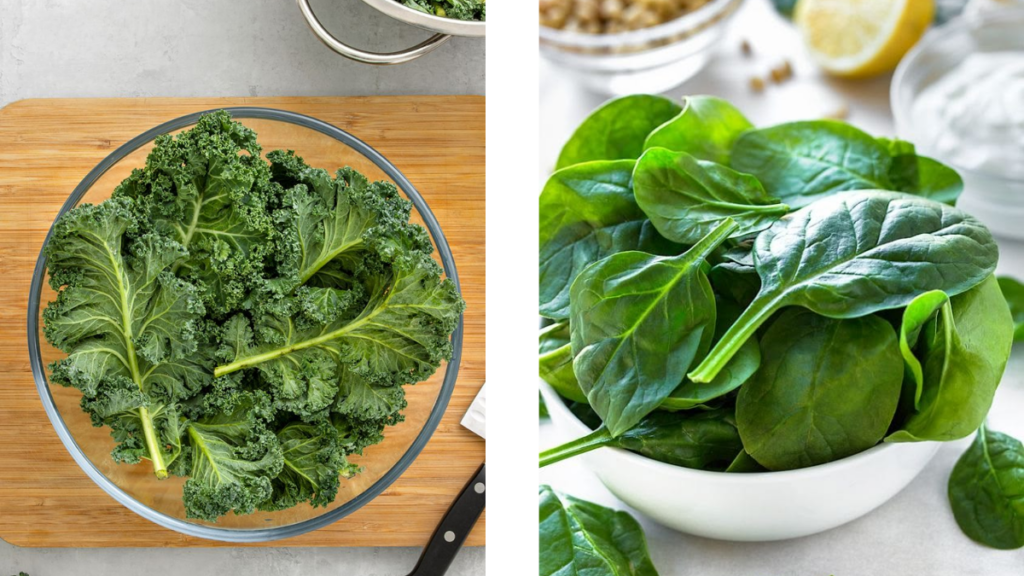
Spinach, for its part, is a light, versatile and very complete option. It provides vitamins A, C, E and K, as well as minerals such as iron, magnesium and potassium, and pairs very well with salads featuring avocado, nuts, fresh cheese or tofu. They also make a good base for cold dishes with legumes or grains.
Arugula, Swiss chard and pak choi: flavor with benefits
The arugula brings a distinctly peppery kick and also a good dose of folates, calcium, iron and vitamins A, C and K. It’s perfect to give personality to a summer salad or to mix with grains and cold dishes.
The Swiss chard surprises because it isn’t always thought of raw, but the tenderer leaves can become a very interesting base for salads.
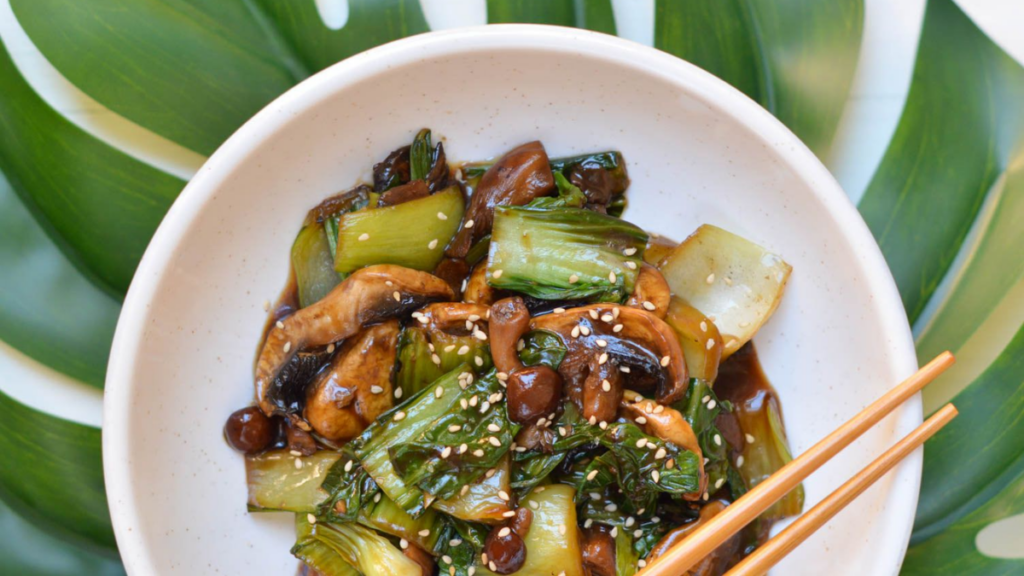
The pak choi, increasingly present in our kitchens, adds vitamin C, vitamin K, beta-carotene, folates and minerals such as calcium, magnesium and potassium. In its tenderest version it can be eaten raw in thin strips with a mild dressing, and it also pairs very well with a touch of Asian flavor, lemon and sesame.
How to eat them to maximize their effect
In summer, the best way to enjoy them is raw or barely handled, because that is how their nutrients are preserved best. Rotating them is also important, since each one brings something different and together they make a much more complete mix.
A good idea is to rotate them during the week:
- Watercress in gazpachos or salads.
- Kale with fresh cheese, seeds and fruit.
- Spinach with avocado and walnuts.
- Arugula with quinoa or ceviche.
- Tender Swiss chard with feta cheese.
- Pak choi with mild dressings and a hint of Asian flavor.
Eating more leafy green vegetables is one of the easiest and most effective gestures to care for your diet, especially in summer, when the body asks for freshness, lightness and health-boosting dishes without complications.
