
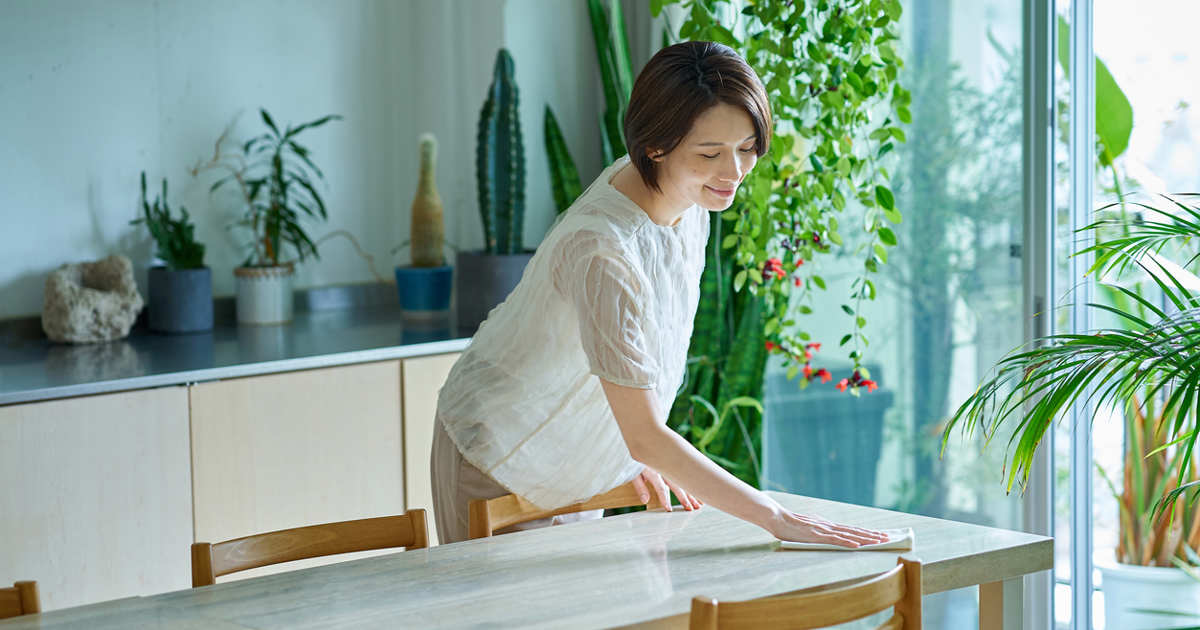

Azumi Uchitani is not only an expert in Japanese culture but also a former miko, that is, a Shinto priestess, the ancestral Japanese religion. No one knows the Japanese traditions, their origins and ancestral symbolism, some of which she has gathered in her latest book, Yoshuku, the Japanese art for turning your desires into reality.
The rituals for bidding farewell to a year or for welcoming the next are among the most notable in that art of pursuing our dreams. Finishing the year well is key and for this, explains Uchitani, the key lies in also letting go of what we no longer need. Turned into a ritual, this task not only helps bid farewell to the past but also becomes a way of thanking the present and creating space for new opportunities.
Japanese end-of-year customs have the virtue of uniting the everyday with the spiritual. Cleaning the home, visiting a shrine, listening to Buddhist bells or sharing symbolic foods are some of these rituals that help to start a new cycle with mental clarity and harmony.
The last week of the year, a time of cleaning and renewal

In Japan, the days leading up to the New Year are a particularly meaningful time. According to Uchitani, the last week of December is set aside for a deep cleaning of homes, offices, shops and belongings.
It is not a superficial cleanse, but a conscious act that symbolises purification and preparation to welcome the new. This ritual forms part of the spirit of the ōsōji, the annual general cleaning. With it, families shake off dust, tidy papers, mend what is broken and discard what no longer has a place. It is a way to honour the cycle that ends and to make room for what is to come to enter with clarity.
Visiting a shrine to complete the purification
Uchitani notes that, in addition to cleaning the home, many people visit the local Shinto shrine on the last day of the year. There they attend purification rituals led by a priest, aimed at cleansing personal energy before the New Year. These ceremonies reinforce the sense of starting from zero.
It is a gesture deeply rooted in Japanese culture, the balance between cleansing the material and purifying the spiritual. As traditionally practiced, both aspects should be carried out at the same time in order to receive the blessings of the coming cycle.
The New Year soba and its symbolism
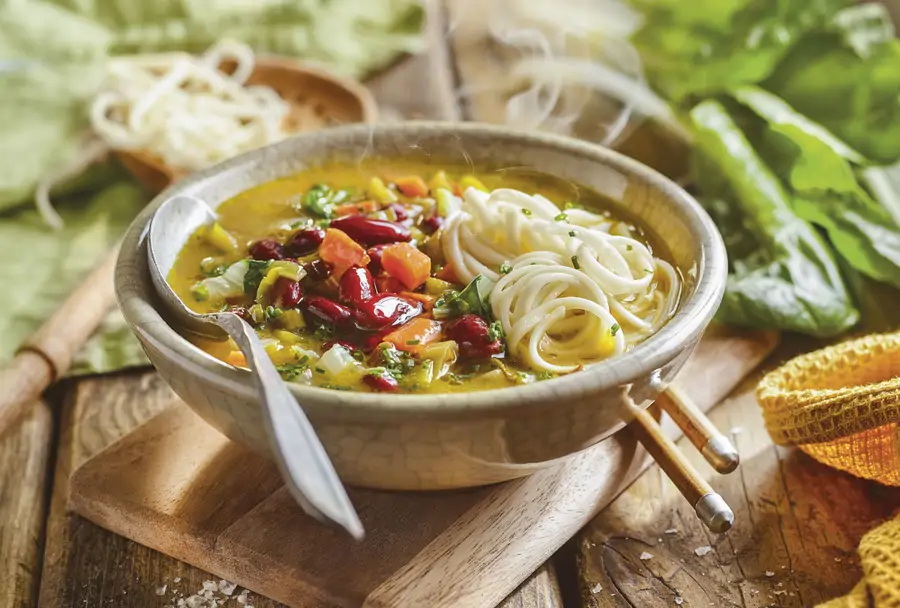
In this season there is also a culinary tradition rich in meaning: eating soba noodles on the night of 31 December. The elongated shape of the soba symbolises longevity, and its slender and flexible texture is associated with the ability to let go of the old.
For Japanese culture, consuming soba that night is a way to leave behind the year that ends and to prepare to receive the new one in good health and wellbeing. It is also believed that soba helps cleanse the body and to facilitate that important energetic transition at this time of year.
The 12… no, 108 chimes to bid farewell to the year
We Spaniards often struggle to keep up with the 12 year-end chimes while eating the grapes, but in Japan, in Buddhist temples they ring their bells 108 times. Although there are various explanations for this figure, the most widespread is that it represents the number of wishes, emotions or sufferings that human beings experience in life.
On hearing these chimes, burdens from the past year are released and one enters the new cycle from a purer state. Why not adopt this intention for our own grape ritual and thus broaden its meaning?
While the bells toll, many families head to the shrine to perform the hatsumōde, the first shrine visit of the year. It is a joyful moment in which gratitude for what has been experienced is expressed and hope for the possibilities of the new year is voiced.
Hatsumōde and the welcome to the new cycle
The hatsumōde is usually celebrated during the first three days of the New Year, within the period known as oshōgatsu. In those days, millions of people visit shrines to express gratitude and raise their wishes for the cycle ahead. They seek health, prosperity, peace and good fortune for their family.
Azumi Uchitani emphasises that these practices represent a path to increase the unki, the favourable energy or personal fortune.
A cultural approach that unites body, home and spirit
What characterises Japanese end-of-year rituals is their coherence. Cleaning the house is not simply a practical act, but a spiritual gesture, and visiting the shrine is not just religious tradition but a way to connect with oneself.
You don’t need to be Japanese or follows Shinto or Buddhism to incorporate this profound wisdom into your own life. Ending the year with a thorough house-clean — your sanctuary — and the personal intention to leave behind what is no longer useful in the realm of emotions and thoughts can only bring you benefits.
